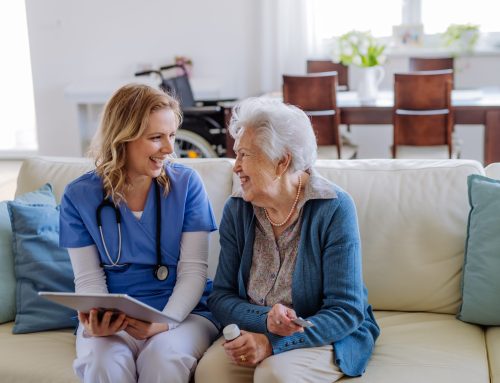

When a Seaside home health nurse walks through the door, they are doing much more than checking blood pressure, listening to your heart, or asking how you are feeling.
Our skilled nurses are trained to look at the whole picture.
Sometimes, the most important signs that a senior’s health is changing are small. They may not seem significant to the patient or family. In fact, they may be easy to miss altogether.
But to an experienced home health nurse, those little changes can tell a much bigger story.
Here are 7 things your home health nurse may notice that you don’t.
1. Small Changes in Breathing
You don’t have to be gasping for air to have a change in your breathing.
A home health nurse may notice that a patient is breathing a little faster than usual, becoming winded while walking across the room, needing more breaks during conversation, or having difficulty lying flat.
These subtle changes can sometimes be an early indication that something is changing medically.
Recognizing a change early gives the care team an opportunity to assess what is happening and communicate concerns to the physician before the problem potentially becomes more serious.
2. Swelling That Wasn’t There Before
A little swelling around the ankles may not seem like a big deal.
Butour nurses may notice that shoes are fitting tighter, socks are leaving deeper marks, or one leg appears more swollen than the other.
Our team doesn’t just look at whether swelling is present. They consider whether it is new, whether it has increased, whether it is occurring on one or both sides, and what other symptoms may be happening at the same time. Because they are visiting regularly, they are aware of all that is happening.
Those details matter.
3. Medication Problems
Medication issues aren’t always obvious. Maybe there are pills left in the medication organizer that should have been taken. Perhaps a prescription bottle is running out sooner than expected. There may be duplicate bottles from an old prescription or confusion about which medication should be taken and when.
Sometimes a patient simply says:
“I think I already took that.”
For our nurses, that statement can be important.
Medication management is about more than organizing pills. A skilled nurse can assess how well a patient understands their medications, look for potential problems, reinforce education, and communicate concerns to the patient’s healthcare provider.
4. A Wound That Is Changing
A small wound can be easy to overlook, especially when it doesn’t hurt.
But our home health nurses knows what to look for. Changes in redness, drainage, odor, swelling, warmth, skin color, wound size, or the surrounding tissue can all provide important information about how a wound is healing.
Regular skilled assessment allows changes to be identified and addressed instead of waiting until a small problem becomes a much larger one.
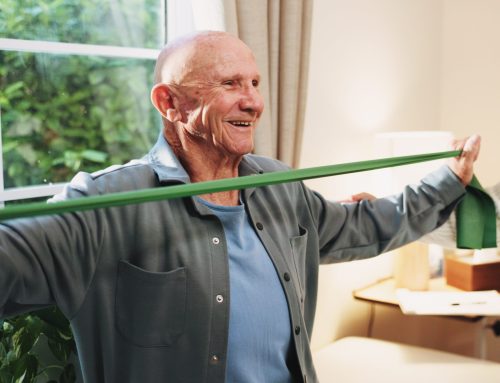
5. Changes in Strength, Walking or Balance
Families often notice a fall.
A home health professional may notice what happens before the fall ever occurs.
Maybe Mom is pushing herself out of the chair with both arms when she didn’t before. Dad is holding onto the counter as he walks through the kitchen. Someone who normally walks confidently is suddenly taking smaller steps or appears less steady when turning.
These little changes can be easy to dismiss as “just getting older.”
They shouldn’t always be.
Changes in strength, balance and mobility can increase fall risk and may signal that additional assessment or therapy could be beneficial.
6. Changes in Eating and Drinking
When someone lives alone, it can be surprisingly difficult for family members to know how much they are actually eating or drinking.
A home health nurse may notice clues.
Is food sitting untouched? Has there been an unexpected change in weight? Does the patient complain that nothing tastes good? Are they drinking enough fluids? Do they seem unusually tired or weak?
Nutrition and hydration play an important role in recovery and overall health, particularly after an illness, surgery or hospitalization.
Sometimes what looks like “not having much of an appetite” deserves a closer look.
7. Changes in Thinking, Mood or Behavior
This may be one of the most important things a home health nurse notices.
A patient may appear slightly more confused than during the previous visit. They may have trouble answering questions they normally answer easily. Perhaps they seem unusually sleepy, withdrawn, anxious or simply “not quite themselves.”
Family members who see someone every day may not immediately recognize a gradual change.
Our nurse who visits regularly may.
Changes in cognition or behavior can have many possible causes, and identifying a change gives the healthcare team an opportunity to determine whether further evaluation is needed.
Sometimes It’s the Little Things That Matter Most
One of the greatest benefits of home health care is that care happens where the patient actually lives.
Seaside nurses aren’t seeing the patient for just a few minutes in an exam room. They can see how the patient moves around the home. They can review medications where they’re actually being taken. They can see the kitchen, the walker sitting unused in the corner, the swelling above the sock line, or the wound dressing that isn’t staying in place.
They can also talk with family members and caregivers who may have noticed changes of their own.
All of those little pieces help create a clearer picture of how someone is really doing.
Skilled Nursing Is More Than Taking Vital Signs
At Seaside Home Health Care, we believe skilled nursing is about much more than checking a box or taking a blood pressure.
Our home health nurses assess, educate, monitor, communicate and help patients and families understand what is happening with their health.
When appropriate, our clinical team works with physicians, therapists and other members of the healthcare team to help patients recover safely, manage their conditions and remain as independent as possible at home.
Because sometimes preventing a bigger problem starts with someone noticing a very small change.
Could Home Health Care Help Someone You Love?
If you have noticed that Mom, Dad, a spouse, or another loved one isn’t quite doing as well as they used to, you don’t have to wait for a crisis to start asking questions.
Seaside Home Health Care provides skilled nursing, therapy and other clinical home health services throughout Southwest Florida.
Contact Seaside Home Health Care to learn more about whether home health services may be appropriate for you or someone you love.