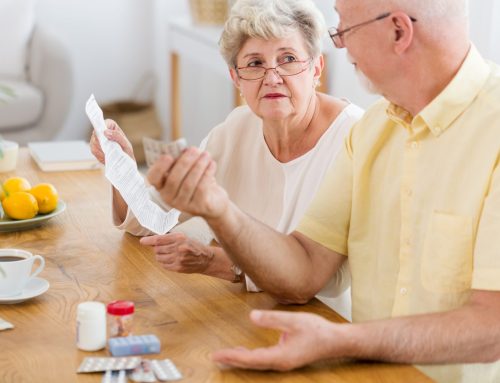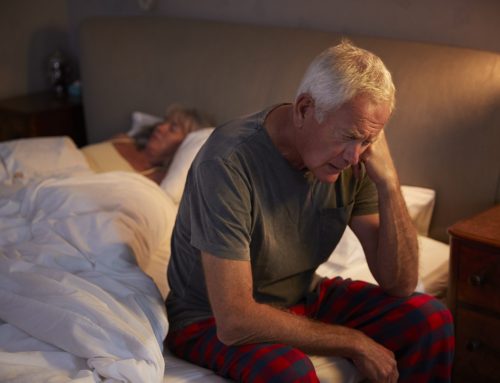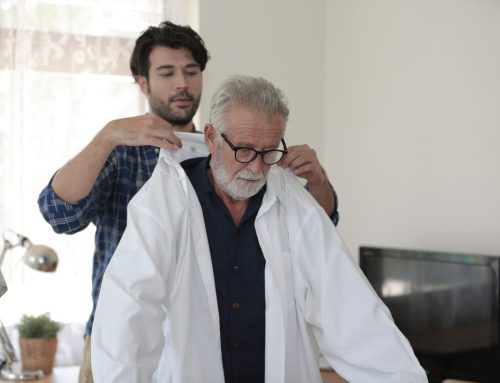

Here are six reasons an older adult may suddenly stopped doing things they loved.
Maybe Mom used to meet friends for lunch every week, but lately she always has a reason to stay home. Dad used to walk out to get the mail every afternoon, but now it sits in the mailbox until someone else brings it in. Grandma always loved cooking, gardening, doing puzzles, or going to church, but suddenly she just doesn’t seem interested anymore.
It can be easy to assume that these changes are simply a normal part of getting older. Sometimes, though, losing interest in favorite activities isn’t really about losing interest at all.
Something may have changed that is making those activities more difficult.
1. They’re More Tired Than They Used to Be
Fatigue can quietly change someone’s daily routine.
An activity that once seemed simple—getting dressed, preparing breakfast, walking through the grocery store, or visiting a friend—may suddenly require much more energy.
Instead of saying, “I’m exhausted,” an older adult may simply begin saying:
“I don’t feel like going today.”
If fatigue is new, persistent, or interfering with normal activities, it may be worth discussing with a healthcare provider.
2. They’re Afraid of Falling
Fear of falling can be incredibly limiting.
Someone may stop walking outside because the sidewalk feels uneven. They may avoid the shower because they’re afraid of slipping. They might stop going to restaurants because they’re worried about navigating stairs, curbs, or unfamiliar bathrooms.
They may never actually say they’re afraid.
Instead, they simply stop going.
Physical therapy can help address strength, balance, mobility, and confidence so that everyday activities feel safer again.
3. Something Hurts
Pain can gradually cause people to give up activities they once enjoyed.
Arthritis may make gardening uncomfortable. Shoulder pain may make getting dressed difficult. Back or knee pain may make standing long enough to cook dinner feel overwhelming.
Sometimes people adapt so gradually that family members don’t realize how much pain is affecting their routine.
Pay attention when someone stops doing an activity that requires a particular movement. There may be a reason they have stopped doing things they love.
4. Everyday Tasks Have Become More Difficult
Think about everything involved in “going out to lunch.”
Someone has to shower, get dressed, choose appropriate clothing, put on shoes, gather their belongings, walk to the car, get in and out safely, navigate the restaurant, order a meal, and return home.
That’s a lot of steps.
When strength, balance, endurance, coordination, or cognition changes, activities that once felt effortless can become overwhelming.
Occupational and physical therapy can help older adults find safer and easier ways to manage everyday tasks while maintaining as much independence as possible.
5. They’re Having Trouble Keeping Up With Conversations or Activities
Changes in hearing, memory, attention, or cognition can sometimes make social situations more difficult.
Someone who once loved playing cards may stop because remembering the rules has become frustrating. A person who enjoyed large family dinners may begin avoiding them because following several conversations at once feels overwhelming.
Rather than admitting they’re struggling, they may simply say they don’t want to participate.
A noticeable change in memory, thinking, communication, or behavior should be discussed with a healthcare provider, particularly when the change happens suddenly.
6. They’re Losing Confidence
Sometimes the biggest change isn’t physical ability. It’s confidence.
After an illness, hospitalization, fall, or new diagnosis, an older adult may begin questioning what they can safely do.
“What if I fall?”
“What if I can’t make it?”
“What if I need help?”
So they begin doing less.
Unfortunately, doing less can sometimes lead to further weakness and decreased endurance, making activities even more difficult.
The right support can help break that cycle.
Pay Attention to What Someone Stops Doing
Families often notice major health changes.
The smaller changes can be easier to miss.
If someone suddenly stops cooking, walking outside, attending church, visiting friends, shopping, gardening, or participating in a favorite hobby, don’t automatically assume they’ve simply lost interest.
Ask why.
Sometimes the answer may be as simple as, “I just don’t enjoy it anymore.”
But other times, you may discover:
“I’m afraid I’ll fall.”
“My knees hurt too much.”
“I get so tired.”
“It’s harder than it used to be.”
Those answers matter.
Helping Seniors Stay Independent at Home
Home health care can help address some of the barriers that make everyday life more difficult.
Depending on an individual’s needs and physician’s plan of care, services may include skilled nursing, physical therapy, occupational therapy, speech therapy, and other support designed to help patients recover and remain as safe and independent as possible at home.
At Seaside Home Health Care, we believe staying home should mean more than simply being at home.
The goal is to help people continue doing the things that make home—and life—worth enjoying.
If you have noticed changes in someone you love and are wondering whether home health care may be appropriate, Seaside Home Health Care is here to help.
Seaside Home Health Care
Helping Southwest Florida seniors remain safely and independently at home.