When people think about home health care, they often think about nurses checking vital signs, therapists helping with exercises, or someone recovering after a hospital stay.
Home health care can be about something much bigger: helping people live better. We can help improve quality of life.
For many older adults, quality of life means being able to remain in the home they love, maintain as much independence as possible, feel safe and supported, and continue participating in the everyday moments that matter to them.
At Seaside Home Health Care, that is always part of the goal.
1. Staying Independent at Home
For many seniors, independence is closely connected to quality of life.
A change in health can suddenly make everyday activities more difficult. Walking to the kitchen, getting dressed, taking a shower, preparing a meal, or simply getting in and out of a chair may become challenging.
Seaside Home Health Care can help patients regain or maintain the abilities they need to function safely at home.
Physical and occupational therapy can work on strength, balance, mobility, endurance, and everyday tasks—all within the environment where the patient actually lives.
Sometimes even a small improvement can make a big difference and help to improve quality of life.
2. Feeling Safer and More Confident
Fear can quietly change the way someone lives.
After a fall, hospitalization, surgery, or new diagnosis, a person may become hesitant to move around the house or return to normal activities. Family members may worry as well.
Home health professionals can identify safety concerns, help reduce fall risks, provide education, and teach patients safer ways to move and complete daily activities.
As confidence improves, patients may become more willing to participate in life again.
3. Managing Health Conditions More Successfully
Living with a chronic condition can feel overwhelming, particularly when medications, symptoms, appointments, and new instructions are involved.
Skilled nursing can provide education and support to help patients better understand their health conditions and recognize changes that may require attention.
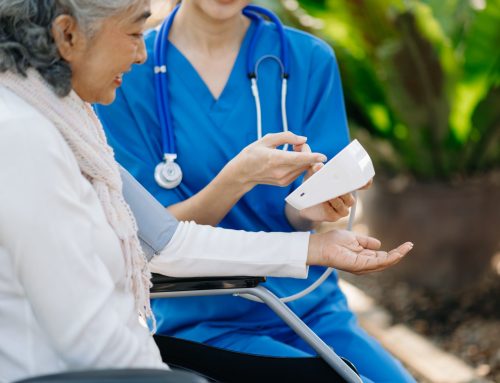
Medication management, wound care, monitoring vital signs, disease education, and communication with physicians can all help patients feel more supported while managing their health at home.
Knowledge can bring confidence—and confidence can improve quality of life.
4. Helping Patients Get Back to the Things They Enjoy
Recovery should not only be about numbers on a chart.
It should also be about getting back to life.
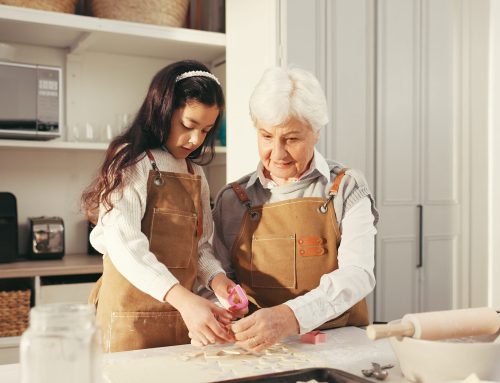
Maybe someone wants to walk outside again. Perhaps they want to cook their own breakfast, attend church, visit with friends, garden, play cards, or comfortably sit at the dinner table with family.
Home health care can help connect clinical goals with personal goals.
Instead of simply asking, “What is wrong?” we also need to ask, “What would you like to be able to do again?”
That answer can be an important part of the care plan.
5. Providing Care in a Familiar Environment
There is comfort in being home.
Patients are surrounded by their own belongings, routines, pets, neighbors, and family. Home health care allows appropriate patients to receive skilled services without having to leave that familiar environment for every aspect of their recovery.
It also allows clinicians to see how a patient actually functions at home.
Is the bathroom difficult to navigate? Are medications confusing? Is the patient struggling to get out of a favorite chair? Is the bedroom too far from the bathroom?
Seeing the patient’s real environment can reveal challenges—and solutions—that might otherwise be missed.
6. Supporting the Whole Person
Good health care is about more than treating a diagnosis.
Changes in health can affect confidence, routines, relationships, independence, and emotional well-being. Patients may feel frustrated because they cannot do what they once did easily. Family caregivers may also feel overwhelmed or unsure about how to help.
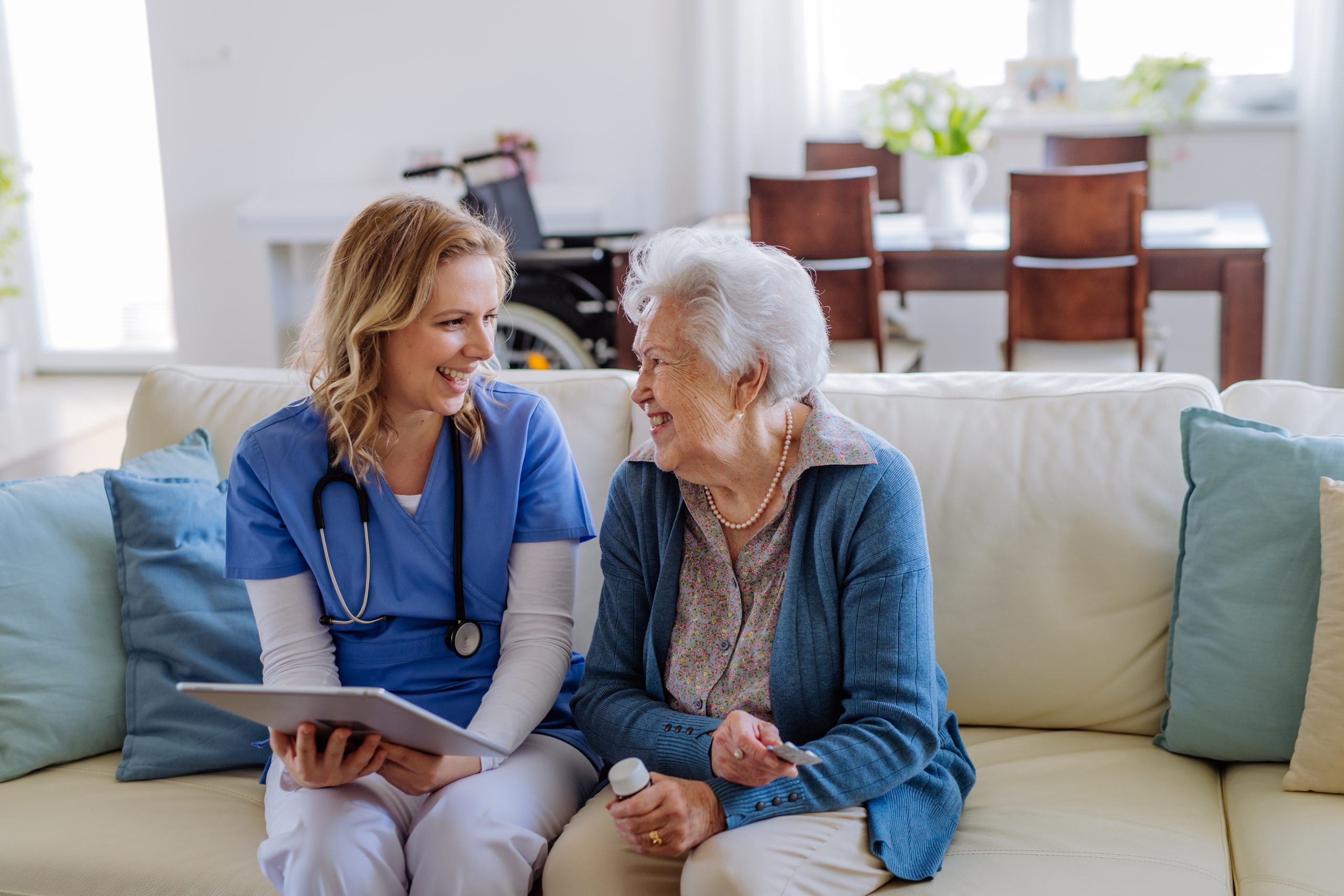
Home health care provides another layer of support and education for both patients and their families.
Sometimes knowing that someone is paying attention, answering questions, and helping guide the recovery process can make an enormous difference.
7. Helping Prevent Setbacks
One of the greatest benefits of having skilled professionals regularly involved in a patient’s care is the opportunity to notice changes early.
A nurse may notice increasing swelling, medication problems, changes in cognition, worsening pain, or a wound that is not healing properly. A therapist may notice declining strength, balance problems, or new difficulty completing everyday tasks.
Identifying concerns early gives the health care team an opportunity to respond before a small problem becomes a much bigger one.
And avoiding unnecessary setbacks can mean more time enjoying life at home.
8. Supporting Social and Emotional Well-Being
Quality of life isn’t only about physical health.
When illness, weakness, or limited mobility makes it harder to leave home, older adults may become less socially active and more isolated. They may stop participating in activities they once enjoyed or begin relying more heavily on family members.
Home health care can help patients work toward greater independence and confidence, which may make it easier to reconnect with the people and activities that bring meaning to their lives.
Medical social workers can also help patients and families identify community resources, address barriers to care, and find additional support when needed.
Sometimes improving quality of life starts with helping someone feel more connected, capable, and involved in their own life again.
Quality of Life Looks Different for Everyone
There is no single definition how to improve quality of life.
For one person, it may mean walking independently to the mailbox.
For another, it may mean being able to shower safely.
For someone else, it may simply mean having enough strength and confidence to sit outside with a cup of coffee in the morning.
Those goals matter.
At Seaside Home Health Care, we believe home health care should not only focus on helping patients manage their health. It should help them continue living their lives as safely, comfortably, and independently as possible.
Because sometimes the most meaningful measure of progress isn’t simply how someone is feeling.
It’s what they are able to enjoy again.
Seaside Home Health Care
If you or someone you love has experienced a change in health, a hospitalization, a fall, a new diagnosis, or a decline in strength or independence, home health care may be able to help improve quality of live!
Seaside Home Health Care is here to help patients recover, remain safely at home, and make the most of every day. Contact us today!