
Most family caregivers never actually decide to become caregivers.
There usually isn’t a meeting where everyone sits down and says, “Starting Monday, you’re Mom’s caregiver.”
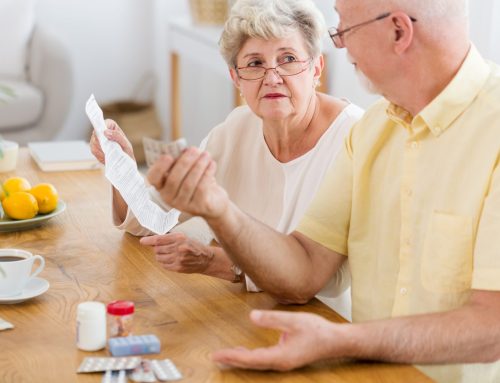
Instead, it happens little by little. You start picking up a prescription. Then you go along to a doctor’s appointment. You stop by to make sure there is food in the refrigerator. You fill the pillbox because the medications have gotten confusing. You call every morning just to make sure everything is okay.
And somewhere along the way, helping became you being family caregivers.
It Usually Starts With the Little Things
When someone we love needs help, stepping in feels natural.
Maybe Dad shouldn’t drive after his procedure, so you take him to his appointments.
Maybe Mom isn’t quite as steady as she used to be, so you start carrying the laundry downstairs.
Maybe your spouse has a new diagnosis, and suddenly you’re keeping track of medications, symptoms and follow-up appointments.
None of those things necessarily feels like “caregiving.”
You’re simply helping someone you love.
But those little responsibilities can add up.
Suddenly, You’re Managing a Lot
Family caregivers often become the person who knows everything.
What medications does Mom take?
When is the next doctor’s appointment?
Did Dad eat today?
Has that swelling gotten worse?
When was the last time he had a bowel movement?
Is she drinking enough water?
Why does she seem more tired today?
Was that medication supposed to be stopped?
Should we call the doctor?
What did the therapist say?
And perhaps the biggest question of all:
Am I doing enough?
That’s a tremendous amount of responsibility for one person.
Loving Someone Doesn’t Make You a Nurse or Therapist
Families often put enormous pressure on themselves to know what to do.
But there is an important difference between being a loving, involved family member and being a trained healthcare professional.
You shouldn’t be expected to automatically know whether a wound is healing properly, whether a medication may be causing a problem, why someone is suddenly weaker, or how to safely help someone regain mobility after a hospitalization.
That’s where having the right healthcare team can make a difference. Here at Seaside, we can help!
Home Health Care Can Support the Family, Too
Home health care is centered around the patient’s medical needs, but good care can also provide valuable education and support for the people helping that patient every day.
When appropriate and ordered as part of the patient’s plan of care, home health services may include skilled nursing, physical therapy, occupational therapy, speech therapy and other services.
At Seaside Home Health Care, our clinicians don’t simply walk into a home, complete a task and leave.
We assess.
We teach.
We listen.
We look for changes.
And we help patients and families better understand what they can do between visits.
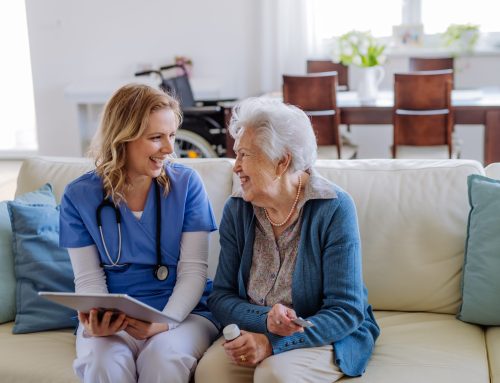
A nurse may teach you which symptoms need to be reported.
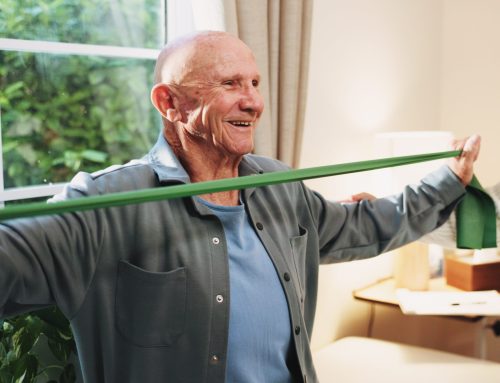
A physical therapist may show you safer ways for your loved one to move around the home.
An occupational therapist may identify ways to make bathing, dressing or other daily activities safer.
That knowledge can make caregiving feel a little less overwhelming.
You Can Be the Daughter Again
Or the son.
Or the husband.
Or the wife.
One of the hardest parts of becoming a family caregiver is that the caregiving role can sometimes begin to overshadow the relationship you’ve always had.
Visits become about medications.
Phone calls become about appointments.
Dinner conversations become about blood pressure, pain or whether Mom remembered to use her walker.
Of course, those things matter.
But so does simply sitting together and talking.
So does laughing.
So does watching your favorite show together.
So does being family.
Having professional healthcare support in the home doesn’t replace the family caregiver. Instead, it can provide another layer of support so families don’t feel like they have to figure everything out alone.
Maybe You’ve Already Become Family Caregivers
If you regularly find yourself checking on a loved one’s health, managing medications, coordinating appointments, worrying about falls, watching for changes, or rearranging your own schedule to make sure someone is safe, you may already be providing more care than you realize.
And that isn’t necessarily a bad thing.
Caring for someone you love can be one of the most meaningful things we do.
But it doesn’t mean you have to know how to do everything yourself.
Seaside Is Here to Help
At Seaside Home Health Care, we understand that when one person’s health changes, it often affects the entire family making daughters and sons, nieces and nephews, grandchildren and others become family caregivers.
Our goal is to provide personalized clinical care that helps patients recover, manage their health and remain safely at home while also giving families education, communication and support along the way.
Because sometimes the person who has been taking care of everyone else could use a little support, too.
If someone you love is experiencing a change in health, recovering from an illness or hospitalization, or having increasing difficulty managing safely at home, contact Seaside Home Health Care to learn whether skilled home health services may be appropriate.
Seaside Home Health Care — helping Southwest Florida families navigate care at home, together.