
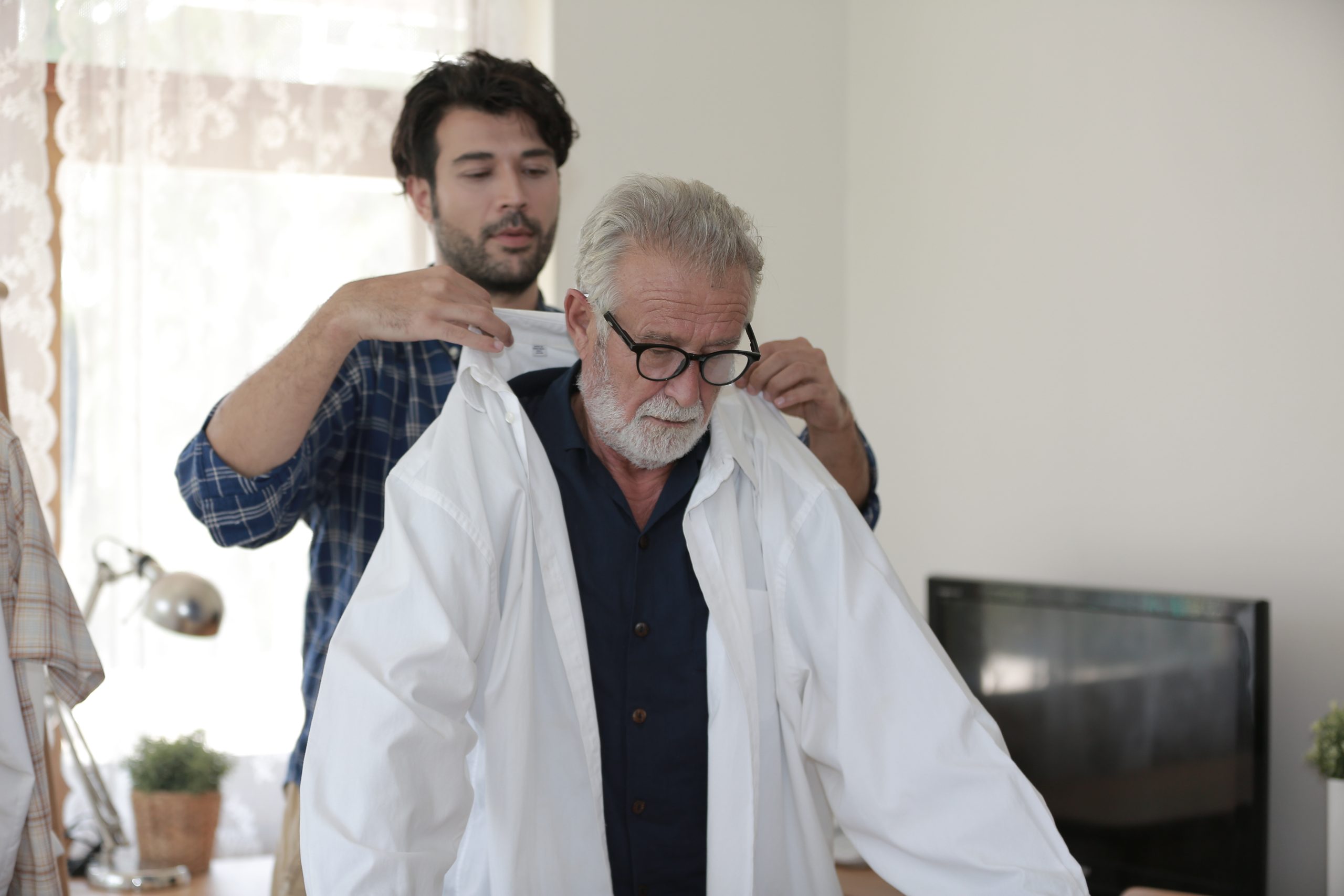
Making breakfast. Getting dressed. Taking a shower. Preparing medications. Walking to the mailbox. These are ordinary tasks of everyday life that we often don’t think twice about—until they suddenly become difficult tasks.
For older adults, changes in the ability to complete everyday tasks can happen gradually or seemingly overnight. Mom may stop cooking meals she has prepared for years. Dad may begin wearing the same clothes several days in a row. Someone who has always been independent may suddenly seem hesitant about getting into the shower.
It can be easy to dismiss these changes as simply part of getting older.
But sometimes, difficulty with everyday activities is a sign that something has changed physically, mentally, or emotionally—and it deserves a closer look.
Here are six reasons an older adult may suddenly begin struggling with everyday tasks.
1. Loss of Strength
Even a small decline in strength can have a surprisingly large impact on daily life.
Standing up from a chair, getting on and off the toilet, stepping into a shower, carrying groceries, climbing stairs, and getting dressed all require strength.
An older adult may compensate at first without anyone noticing. They may begin using furniture to help themselves stand, avoid certain rooms, stop carrying laundry, or choose clothing that is easier to put on.
Eventually, those little adjustments can become limitations.
Physical Therapy may help improve strength, balance, endurance, and mobility so an older adult can continue moving safely and confidently at home.
2. Balance or Mobility Changes
Sometimes the problem isn’t strength—it’s balance.
An older adult who feels unsteady may begin avoiding activities because they are afraid of falling.
You might notice that Mom no longer takes a shower unless someone is home. Dad stops walking outside. Someone begins holding onto countertops or furniture while moving through the house.
They may never actually say, “I’m afraid I’m going to fall.”
Instead, they simply stop doing things.
Recognizing these changes early can be important. Physical and Occupational Therapy can assess mobility, balance, transfers, and the home environment and identify ways to make everyday activities safer.
3. Pain or Stiffness
Arthritis, an injury, surgery, or another health condition can make movements that once seemed effortless uncomfortable or difficult.
Think about how much movement is involved in getting dressed.
You have to bend, reach, lift your arms, balance, manipulate buttons or zippers, and sometimes stand on one leg.
Pain or stiffness can turn a five-minute routine into an exhausting task.
When this happens, an older adult may start skipping activities, asking for more help, or avoiding certain movements altogether.
Therapy may help identify safer ways to perform these tasks, improve movement, and teach techniques that allow someone to remain as independent as possible.
4. Changes in Memory or Thinking
Sometimes the body is capable—but the brain is having difficulty organizing the steps.
Everyday activities often require more thinking than we realize.
Preparing a meal involves choosing ingredients, remembering steps, using appliances safely, keeping track of time, and cleaning up afterward.
Managing medications can involve remembering which medications to take, the correct dose, and when they should be taken.
Changes in memory, attention, judgment, or problem-solving can make familiar routines increasingly difficult.
Families may first notice unfinished tasks, spoiled food, missed medications, unusual mistakes, or confusion about activities the person has performed independently for years.
These changes should not automatically be dismissed as normal aging. Our clinical care team can help determine whether further evaluation is needed.
5. Vision or Coordination Changes
Changes in vision or coordination can quietly interfere with independence.
Reading medication labels may become difficult. Buttons suddenly seem harder to fasten. Pouring a drink becomes messy. Navigating steps becomes intimidating.
An older adult may not even realize how much their vision or coordination has changed because they have gradually adapted.
Occupational Therapy can be especially helpful in identifying ways to modify activities and the home environment so everyday tasks are safer and easier to complete.
6. Fear After a Fall, Illness, or Hospitalization
Sometimes the biggest obstacle isn’t what an older adult can’t do.
It’s what they’re afraid to do.
After a fall, hospitalization, surgery, or serious illness, confidence can change dramatically.
Someone who was independent before may become afraid of falling again, getting hurt, becoming short of breath, or simply not being able to complete a task.
That fear can lead to less activity.
Less activity can lead to weakness.
And weakness can make everyday activities even more difficult.
Helping someone safely regain confidence can be an important part of recovery.
The Everyday Tasks That Tell Us a Lot
One of the best ways to recognize a change in an older adult’s health is simply to pay attention to the things they do every day.
Are they still:
-
Bathing and dressing independently?
-
Preparing meals?
-
Getting in and out of bed safely?
-
Walking throughout the home?
-
Managing medications correctly?
-
Using the bathroom safely?
-
Doing laundry or light household activities?
-
Participating in the routines they normally enjoy?
A change in one activity may seem small.
Several changes together may tell a much bigger story.
What Does Occupational Therapy Have to Do With It?
Many people understand what Physical Therapy does but aren’t quite sure where Occupational Therapy fits into home health care.
Despite the name, Occupational Therapy isn’t just about someone’s job.
An “occupation” can be anything a person needs or wants to do as part of everyday life.
For an older adult, that may mean getting dressed, bathing, preparing a meal, safely using the bathroom, getting in and out of bed, or being able to participate in favorite activities.
An Occupational Therapist can evaluate where someone is having difficulty and work with them on techniques, adaptations, safety strategies, and exercises designed to help them function more independently.
And because home health therapy takes place in the patient’s own home, the therapist can see the actual bathroom, bedroom, kitchen, stairs, furniture, and other areas the patient needs to navigate every day.
Don’t Ignore the Little Changes
A senior doesn’t necessarily have to experience a major fall or hospitalization before a family notices that something isn’t quite right.
Sometimes the first clue is much simpler.
Mom stopped cooking.
Dad doesn’t want to shower.
Getting dressed suddenly takes much longer.
Someone who used to move around the house freely now spends most of the day in one chair.
Those small changes are worth noticing.
At Seaside Home Health Care, our skilled nurses and therapists help patients and families identify changes that may be affecting safety and independence. Our Physical and Occupational Therapy services can help older adults improve strength, mobility, safety, and their ability to perform everyday activities in the comfort of home.
Our goal is simple: help our patients remain as safe, confident, and independent at home as possible.
If you have noticed that everyday activities are becoming more difficult for yourself or someone you love, talk with your healthcare provider about whether home health care may be appropriate.
Seaside Home Health Care proudly serves patients and families throughout Collier, Lee, and Charlotte Counties. Contact us today!