Have you ever noticed how quickly an older adult can lose strength?
Maybe Mom was getting around the house just fine before a hospital stay, but now getting out of her favorite chair takes more effort. Dad had the flu and spent several days resting, and suddenly he seems unsteady when he walks. Or perhaps there wasn’t one major event at all—you’ve simply noticed that your loved one is moving less, tiring more easily, and needing more help than they used to.
For older adults, strength can decline surprisingly quickly. And sometimes, those small changes are the beginning of a much bigger problem.
The good news? Loss of strength doesn’t always have to become the new normal.
Here are five reasons seniors may lose strength—and how home health care can help them safely work toward getting it back.
1. Even a Short Period of Inactivity Can Make a Difference
When we don’t use our muscles, we lose strength. For an older adult, that decline can happen faster than many families realize.
A few days in the hospital, time spent in bed with an illness, or simply becoming less active because of pain or fatigue can affect strength and endurance.
Once everyday activities become harder, seniors may start doing even less. That can create a cycle:
Less movement → less strength → more difficulty moving → even less activity.
Breaking that cycle early can make an important difference.
2. Illness Can Take More Out of the Body Than Expected
Pneumonia, urinary tract infections, respiratory illnesses, heart problems, and other medical conditions can leave an older adult feeling weak long after the immediate illness begins to improve.
Families may think, “The infection is gone. Why isn’t Mom back to herself yet?”
Recovery takes energy. An older adult may need additional time—and sometimes additional support—to rebuild strength, endurance, balance, and confidence.
3. A Hospital Stay Can Change Everyday Abilities
Going into the hospital able to walk independently doesn’t necessarily mean someone will come home functioning at the same level.
During a hospital stay, an older adult may spend significantly more time in bed or sitting than they normally would at home. After discharge, families may notice that everyday tasks suddenly look different.
Getting out of bed may be harder. Walking to the bathroom may be exhausting. Stepping into the shower may feel unsafe. Stairs that were manageable before hospitalization may suddenly feel overwhelming.
Getting home from the hospital is sometimes only the beginning of recovery.
4. Fear of Falling Can Lead to Less Movement
Sometimes a senior can move—but they’re afraid to.
One close call, stumble, or fall can change someone’s confidence. They may begin holding onto furniture, avoiding the shower, staying downstairs, or choosing to sit rather than walk around the house.
Unfortunately, moving less can contribute to additional weakness, which can make falling an even greater concern.
Improving strength and balance is important, but so is rebuilding confidence.
5. Everyday Tasks Can Quietly Become More Difficult
Loss of strength doesn’t always announce itself with a dramatic event.
Often, families notice small changes first.
Maybe your loved one is using both arms to push out of a chair. Perhaps they’re taking shorter steps, reaching for walls or furniture, avoiding stairs, or needing more help getting dressed.
You may notice they’re no longer cooking because standing at the counter is tiring. Maybe showers are becoming less frequent because getting in and out feels difficult.
These seemingly small changes can tell us something important:
Daily life is requiring more effort than it used to.
How Home Health Can Help
This is where home health care can make a meaningful difference.
At Seaside Home Health Care, our goal isn’t simply to help someone exercise. We look at what they need to be able to do safely in their own home.
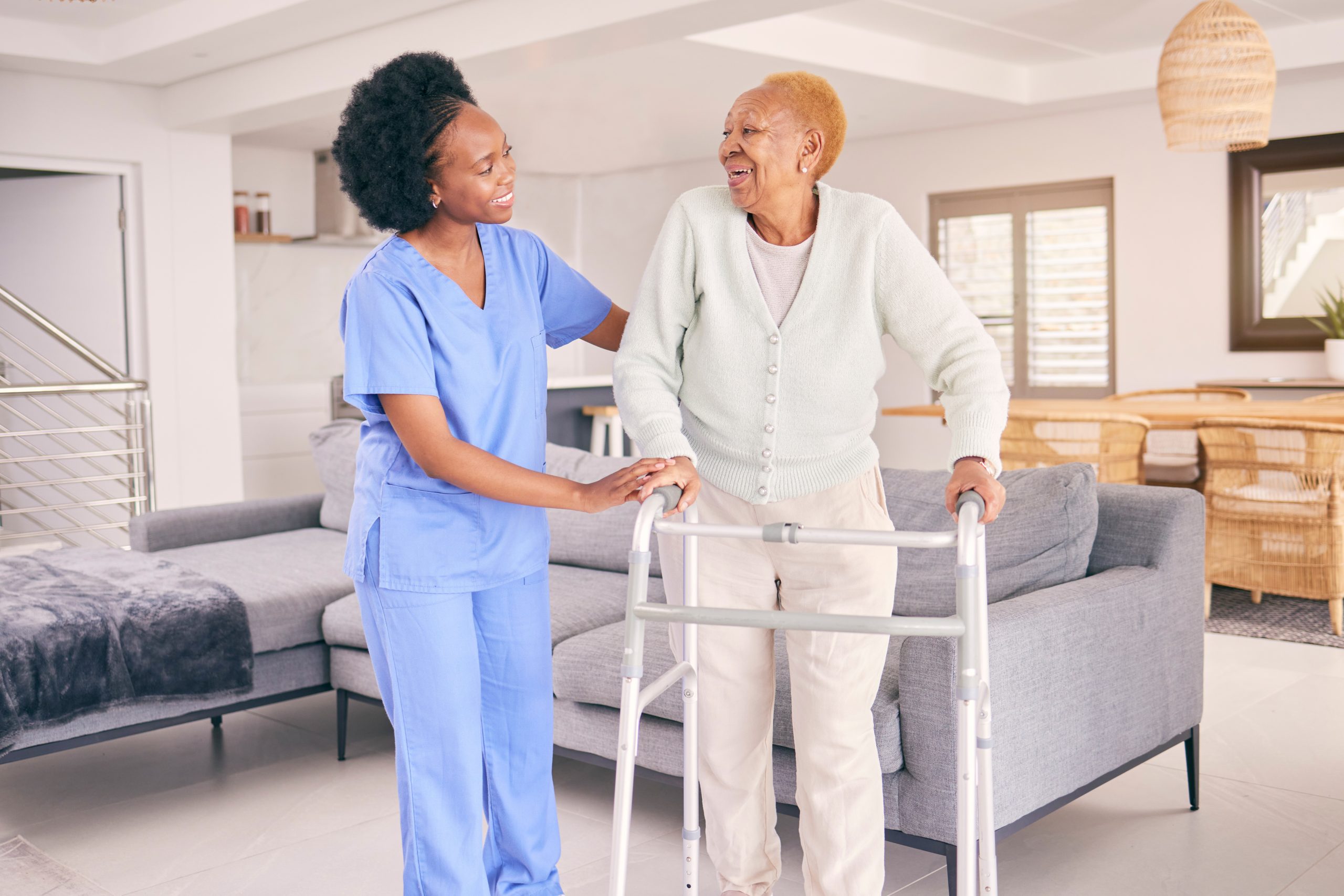
Physical Therapy may focus on strength, balance, walking, transfers, endurance, fall prevention, and safely navigating the home.
Occupational Therapy can help patients regain or maintain the abilities needed for everyday activities such as bathing, dressing, toileting, meal preparation, and other daily routines.
Skilled Nursing may also be involved when weakness is related to a medical condition, medication changes, recent hospitalization, or another health concern requiring nursing assessment, education, or monitoring.
Together, the home health team can help identify what’s changed and develop a plan centered around the patient’s individual goals.
Sometimes the goal isn’t running a marathon.
It’s being able to get out of the favorite recliner without assistance.
It’s walking safely to the mailbox.
It’s getting into the shower without being afraid.
It’s preparing breakfast again.
It’s getting back to sleeping in the upstairs bedroom.
Those everyday victories matter.
Don’t Wait Until Weakness Becomes a Fall
One of the most important things families can do is pay attention to changes before there is a crisis.
If someone you love has recently been hospitalized, experienced an illness, started moving less, become unsteady, or is struggling with activities that used to be easy, it may be worth asking their healthcare provider whether home health care could help.
At Seaside Home Health Care, we believe that helping people remain safely and independently at home often starts with noticing the little changes before they become big ones.
Because sometimes getting stronger isn’t just about building muscle.
It’s about getting back to the life you love—back in your own home.