
“I slept all night, but I’m still so tired.”
It’s something many older adults say—and something their families may notice long before they realize there could be more going on.
Sleep can change as we age, but feeling exhausted every day shouldn’t automatically be dismissed as “just getting older.” Poor sleep can affect energy, mood, concentration, balance, appetite, motivation, and the ability to complete everyday activities.
Sometimes, the reason for poor sleep is surprisingly simple. Other times, it may be worth discussing with a healthcare provider.
Here are 7 reasons seniors may not be getting the restful sleep they need.
1. Getting Up Frequently During the Night
One of the biggest sleep disruptors for older adults is simply waking up repeatedly.
Trips to the bathroom, discomfort, medications, thirst, noise, or difficulty getting comfortable can interrupt sleep several times during the night.
Even if someone technically spends eight hours in bed, those repeated interruptions may leave them feeling like they barely slept at all.
And there’s another concern: getting out of bed when tired, groggy, or in the dark can increase the risk of a fall.
A clear pathway, adequate nighttime lighting, properly fitted footwear, and keeping commonly needed items within reach can help make nighttime routines safer.
2. Pain Is Keeping Them Awake
Arthritis, back pain, joint discomfort, neuropathy, or pain following an injury or surgery can make finding a comfortable sleeping position difficult.
Pain may also cause someone to wake frequently without fully realizing how often their sleep is being interrupted.
If pain is interfering with sleep regularly, it is important to let the healthcare provider know rather than simply accepting it as part of aging.
3. Medications May Be Playing a Role
Older adults are often managing multiple medications, and sometimes the timing or effects of those medications can interfere with sleep.
Some medications may contribute to drowsiness during the day, while others may make it more difficult to sleep at night. Medications that increase urination can also lead to more frequent nighttime bathroom trips.
Never stop or change a medication without speaking with your healthcare provider.
Our skilled home health nurses can help patients understand their medication schedule, identify concerns, and communicate questions to the appropriate healthcare provider.
4. Too Much Daytime Sleeping
A quick afternoon nap may feel wonderful, especially after a poor night’s sleep.
But long or frequent naps during the day can sometimes create a cycle:
Poor sleep at night leads to sleeping during the day—and sleeping too much during the day can make it harder to sleep the following night.
Keeping a regular daily routine, getting dressed in the morning, eating meals at consistent times, participating in activities, and staying appropriately active can help provide structure to the day.
5. They Aren’t Moving Enough During the Day
When someone becomes weaker, less mobile, or afraid of falling, their activity level can decrease considerably.
They may spend more time sitting or lying down and gradually become even less active.
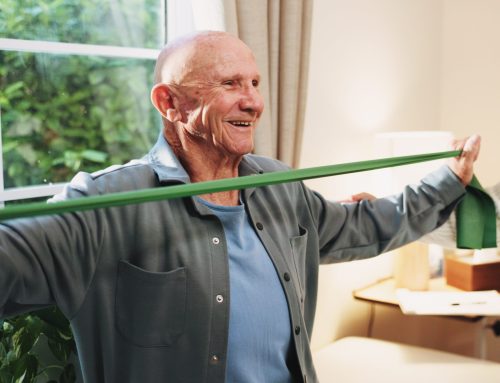
Appropriate physical activity can be an important part of maintaining strength, mobility, and overall well-being.
For someone recovering from an illness, hospitalization, surgery, or decline in strength, Physical Therapy may help develop a safe activity and exercise program based on the individual’s abilities and medical needs.
6. Worry Doesn’t Always Go to Bed When We Do
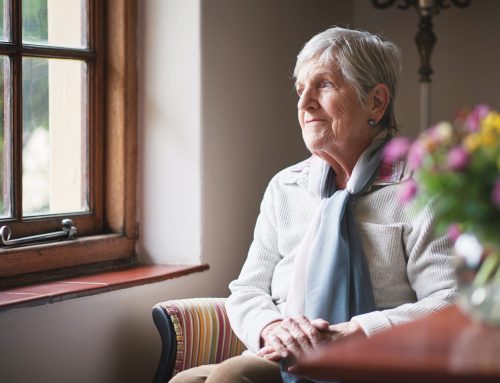
Nighttime can be quiet—and sometimes that gives worries plenty of room to get louder.
Concerns about health, finances, losing independence, family members, upcoming appointments, or simply wondering what tomorrow will bring can make it difficult to settle down.
For seniors who live alone, nighttime can also feel especially lonely.
Regular interaction with family and friends, enjoyable activities during the day, and maintaining familiar routines can all contribute to overall well-being.
Persistent anxiety, sadness, or significant changes in sleep should be discussed with a healthcare provider.
7. Something Has Changed With Their Health
Sometimes increased fatigue or a significant change in sleeping habits can be one of the clues that something else is happening.
If Mom suddenly starts sleeping most of the day when she never did before, or Dad is unusually exhausted after activities he previously handled easily, pay attention to the change from their normal routine.
It doesn’t necessarily mean something serious is wrong—but a new or unexplained change deserves attention.
Contact the appropriate healthcare provider if fatigue is persistent, worsening, or accompanied by other new symptoms.
Don’t Automatically Blame Age
One of the easiest explanations for fatigue in an older adult is: “Well, they’re getting older.”
But aging doesn’t mean every new symptom should be ignored. Sometimes small changes in sleep, activity, medications, pain, or daily routines can have a surprisingly large effect on how someone feels during the day.
And sometimes that tiredness is telling us that a little more support may be needed.
Seaside Home Health Care Is Here to Help when seniors are just “so tired”
At Seaside Home Health Care, we look at the whole person—not just one diagnosis or one symptom.
Our skilled nurses and therapists work with patients, families, physicians, and other healthcare providers to help identify barriers to safely remaining independent at home.
Whether someone is recovering from an illness, experiencing weakness, adjusting to new medications, or having more difficulty managing everyday activities, the right support can make a difference.
If you’ve noticed that someone you love just doesn’t seem to have the energy they used to, don’t automatically assume it’s simply part of getting older.
Sometimes “I’m just so tired” is worth paying attention to.
Seaside Home Health Care proudly serves patients throughout Lee, Collier, and Charlotte Counties.
Call Seaside Home Health Care at (239) 202-2703 to learn more about how home health care may help you or someone you love remain safe and independent at home.