There’s something special about being needed.
Whether it’s preparing a favorite family recipe, helping a grandchild with homework, offering advice, or simply knowing someone is counting on us, having a purpose gives meaning to our days.
But as we get older, the roles we’ve held for much of our lives often begin to change.
Retirement may bring an end to a long career. Children grow up and build lives of their own. Health challenges may make familiar responsibilities more difficult.
And sometimes, without anyone realizing it, an older adult can begin to feel as though they no longer have an important role to play.
Yet feeling valued and having a sense of purpose remain important at every age.
We All Want to Feel That We Matter
Think about the roles your parents or grandparents have held throughout their lives.
Perhaps Dad was the person everyone called when something needed fixing.
Maybe Mom organized every family holiday, remembered every birthday, and somehow always knew exactly what everyone needed.
Those responsibilities weren’t simply chores.
They were part of their identity.
When those roles change, older adults may experience a sense of loss that isn’t always easy to explain.
They may miss being the person others depend on.
And while families often step in with the best intentions, sometimes doing everything for an older loved one can unintentionally take away opportunities for them to contribute.
Helping Doesn’t Always Mean Doing Everything
When we love someone, our natural instinct is to make life easier for them.
We carry the groceries, prepare the meals, organize the appointments, and take care of whatever needs to be done.
And sometimes, that help is absolutely needed.
But when an older adult is capable of participating safely, inviting them to remain involved can be just as important.
Maybe Grandma can’t prepare the entire Thanksgiving dinner anymore, but she can still teach her granddaughter how to make her famous stuffing.
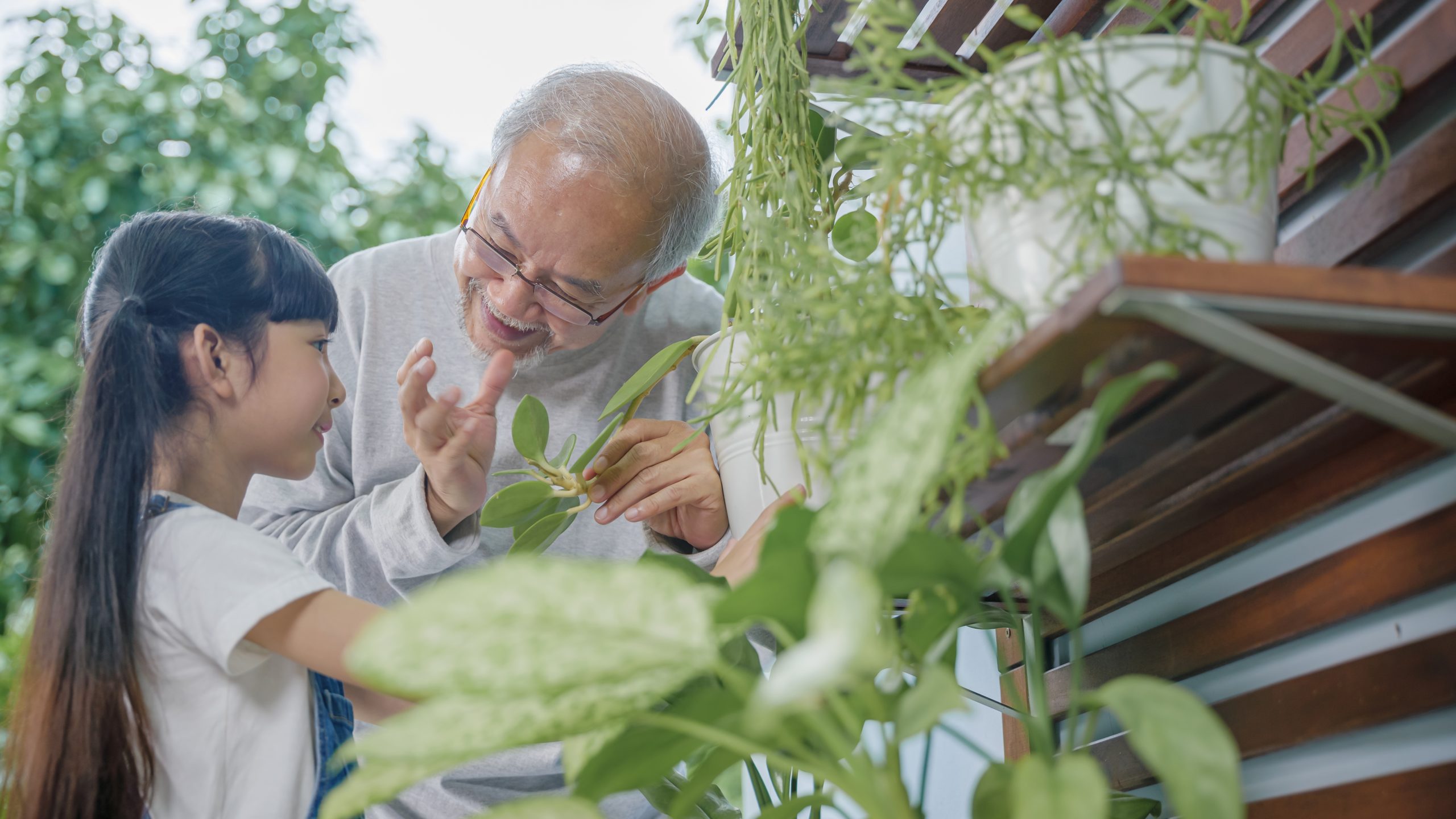
Perhaps Grandpa no longer maintains the garden himself, but he can help choose what to plant and share decades of gardening wisdom.
These moments remind people that their knowledge, experience, and contributions still matter.
Purpose Doesn’t Have to Be Something Big
When we think about finding purpose, we sometimes imagine volunteering, joining organizations, or taking on major projects.
But purpose can be found in the smallest everyday moments.
It might be caring for a houseplant, writing a birthday card, calling a friend who lives alone, helping fold laundry, or reading a story to a grandchild.
For some older adults, having a pet to care for or a favorite weekly activity to look forward to provides meaningful structure.
For others, simply being asked for advice can make them feel appreciated.
The activity itself isn’t always the most important part.
It’s the feeling of being involved, capable, and valued.
Ask for Their Help, Not Just How They’re Feeling
Here’s a simple idea families can try.
The next time you visit an aging parent, instead of beginning with questions about medications, appointments, or how they’re feeling, ask for their opinion.
“Mom, how did you always get your roast to turn out so perfectly?”
“Dad, I’m trying to figure something out, and I’d love your advice.”
“Grandma, will you show me how you used to make this?”
These questions do more than start conversations.
They remind our loved ones that their experiences and wisdom are still important.
And they create opportunities for connection that benefit everyone involved.
When Health Challenges Get in the Way
Sometimes, older adults want to remain involved but physical limitations make familiar activities difficult.
Arthritis may make cooking uncomfortable. Weakness may make gardening challenging. Fatigue or balance concerns may limit participation in favorite activities.
This is where the right support can make a difference.
Occupational therapy can help individuals find safer or easier ways to complete meaningful daily activities.
Physical therapy may help improve strength, endurance, and mobility when clinically appropriate.
And skilled nursing can help patients manage medical conditions that may be affecting their ability to participate in everyday life.
At Seaside Home Health Care, we believe a person’s goals should be part of the conversation when developing an individualized care plan.
Because improving someone’s ability to complete a meaningful activity can be just as personally important as improving a clinical measurement.
Growing Older Doesn’t Mean Having Less to Give
Our parents and grandparents have spent a lifetime sharing their love, knowledge, and experience.
That doesn’t suddenly stop because they need a little more assistance.
Sometimes, the most meaningful thing we can do is give them opportunities to continue contributing in ways that are comfortable and appropriate for them.
Ask for their advice.
Invite their participation.
Celebrate what they can do.
They are needed!
Remind them, through both words and actions, that they are still an important part of the family.
At Seaside, We See the Whole Person
At Seaside Home Health Care, we understand that health and independence are about more than managing medical conditions.
They’re about helping people continue living lives that feel meaningful to them.
Our skilled nursing, therapy, and care management services are designed around each individual’s needs and goals, with respect for the routines, relationships, and activities that make life special.
Because everyone deserves to feel that they matter.
If you or someone you love could benefit from personalized home health care, Seaside Home Health Care is here to help. Call us at 239.260.9660 to learn how our team can support safety, independence, and quality of life at home.
Sometimes, one of the greatest gifts we can give an aging loved one is the reminder that they are still needed!