
Small Wounds in Seniors: Why Early Care Matters
A small cut on the hand. A scrape on the leg. A skin tear from bumping into a table. For many younger adults, these minor injuries heal quickly with basic first aid. But for older adults, even the smallest wound can become a serious health concern if it isn’t treated properly.
At Seaside Home Health Care, we understand that wound care is about much more than changing bandages. It’s about protecting your health, preventing complications, and helping you remain safe and independent in the comfort of your own home.
Why Do Wounds Heal More Slowly as We Age?
As we get older, our bodies naturally heal more slowly. Several factors can affect the healing process, including:
- Reduced circulation
- Thinner, more fragile skin
- Diabetes
- Poor nutrition
- Limited mobility
- Chronic health conditions
- Certain medications
Because of these factors, a wound that may seem minor can quickly develop into something much more serious.
Small Wounds in Seniors Can Lead to Big Problems
Many seniors don’t realize how quickly a simple injury can worsen. Common concerns include:
Infection
Even a tiny break in the skin allows bacteria to enter the body. Signs of infection may include:
- Increased redness
- Swelling
- Warmth around the wound
- Drainage or pus
- Fever
- Increased pain
Without prompt treatment, an infection can spread and may even require hospitalization.
Skin Tears
As skin becomes thinner with age, it tears more easily. What starts as a small skin tear can become difficult to heal if the fragile skin isn’t cared for properly.
Pressure Injuries
Older adults who spend more time sitting or lying in bed are at risk for pressure injuries, also called pressure ulcers or bed sores. These wounds can become deep and painful if not identified early.
Diabetic Foot Wounds
People living with diabetes often have reduced sensation in their feet. A small blister or cut may go unnoticed until it becomes infected or develops into a more serious wound.
Delayed Healing
Poor circulation and chronic illnesses can significantly slow healing, increasing the risk of complications and limiting a person’s ability to remain active and independent.
Early Treatment Makes All the Difference
One of the biggest mistakes families make is waiting too long before seeking professional care.
Early intervention can:
- Prevent infection
- Promote faster healing
- Reduce pain
- Prevent hospitalization
- Help avoid emergency room visits
- Lower the risk of long-term complications
The sooner a wound is evaluated, the better the chances for a successful recovery.
How Seaside Home Health Care Can Help
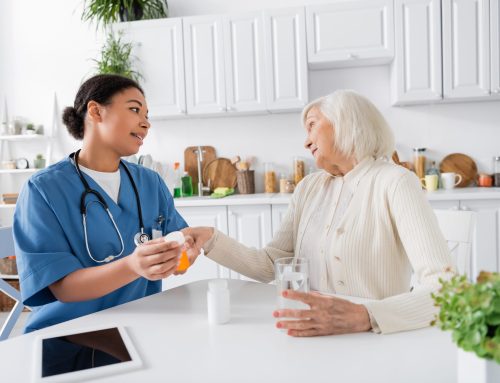
At Seaside Home Health Care, our experienced skilled nurses provide personalized wound care in the comfort of your home under your physician’s plan of care.
Our wound care services may include:
Comprehensive Wound Assessment
Every wound is different. Our nurses carefully evaluate:
- Wound size and depth
- Drainage
- Signs of infection
- Surrounding skin condition
- Overall healing progress
We communicate closely with your physician to ensure your care plan is appropriate and effective.
Professional Dressing Changes
Different wounds require different dressings. Our skilled nurses use physician-ordered wound care techniques designed to promote healing while protecting healthy tissue.
Infection Prevention
Our team monitors for early warning signs of infection and provides education on proper wound care, hand hygiene, and ways to reduce infection risk.
Patient and Caregiver Education
Healing doesn’t happen only during nursing visits. We teach patients and caregivers how to:
- Protect the wound
- Recognize warning signs
- Maintain proper nutrition and hydration
- Reduce pressure on healing areas
- Prevent future skin injuries
Knowledge empowers families to participate confidently in the healing process.
Coordination with Your Healthcare Team
Healing often requires teamwork. Seaside communicates with physicians and other healthcare providers to ensure everyone involved in your care stays informed about your progress.
Preventing Future Wounds
Prevention is just as important as treatment. Our clinicians help identify risk factors before injuries occur.
We may recommend:
- Fall prevention strategies
- Skin protection techniques
- Proper footwear
- Regular skin checks
- Good nutrition and hydration
- Safe mobility practices
- Pressure relief techniques for individuals with limited mobility
These simple steps can significantly reduce the risk of future wounds.
When Should You Call for Help?
Don’t wait until a wound becomes severe. Contact your healthcare provider if you notice:
- A wound that isn’t improving after several days
- Increased redness or swelling
- Drainage or foul odor
- Fever
- New or worsening pain
- A skin tear that won’t stay closed
- Any foot wound if you have diabetes
Prompt medical attention can often prevent more serious complications.
Compassionate Care, Right at Home
At Seaside Home Health Care, we know that healing happens best when patients feel comfortable, supported, and cared for in their own homes. Our skilled nursing team is committed to providing high-quality wound care while helping patients maintain their independence and avoid unnecessary hospitalizations. Whether it’s small wounds in seniors or ones that have gotten a little more complicated, we would love to see how we can help you heal.
If you or a loved one has a wound that needs professional attention, we’re here to help. Early treatment can make all the difference—and together, we can help support a safer, healthier recovery.
Contact Seaside Home Health Care
If you believe you or a loved one could benefit from skilled home health wound care, speak with your physician about a referral to Seaside Home Health Care. Our compassionate team proudly serves Southwest Florida by providing expert, patient-centered care where it matters most—at home.