
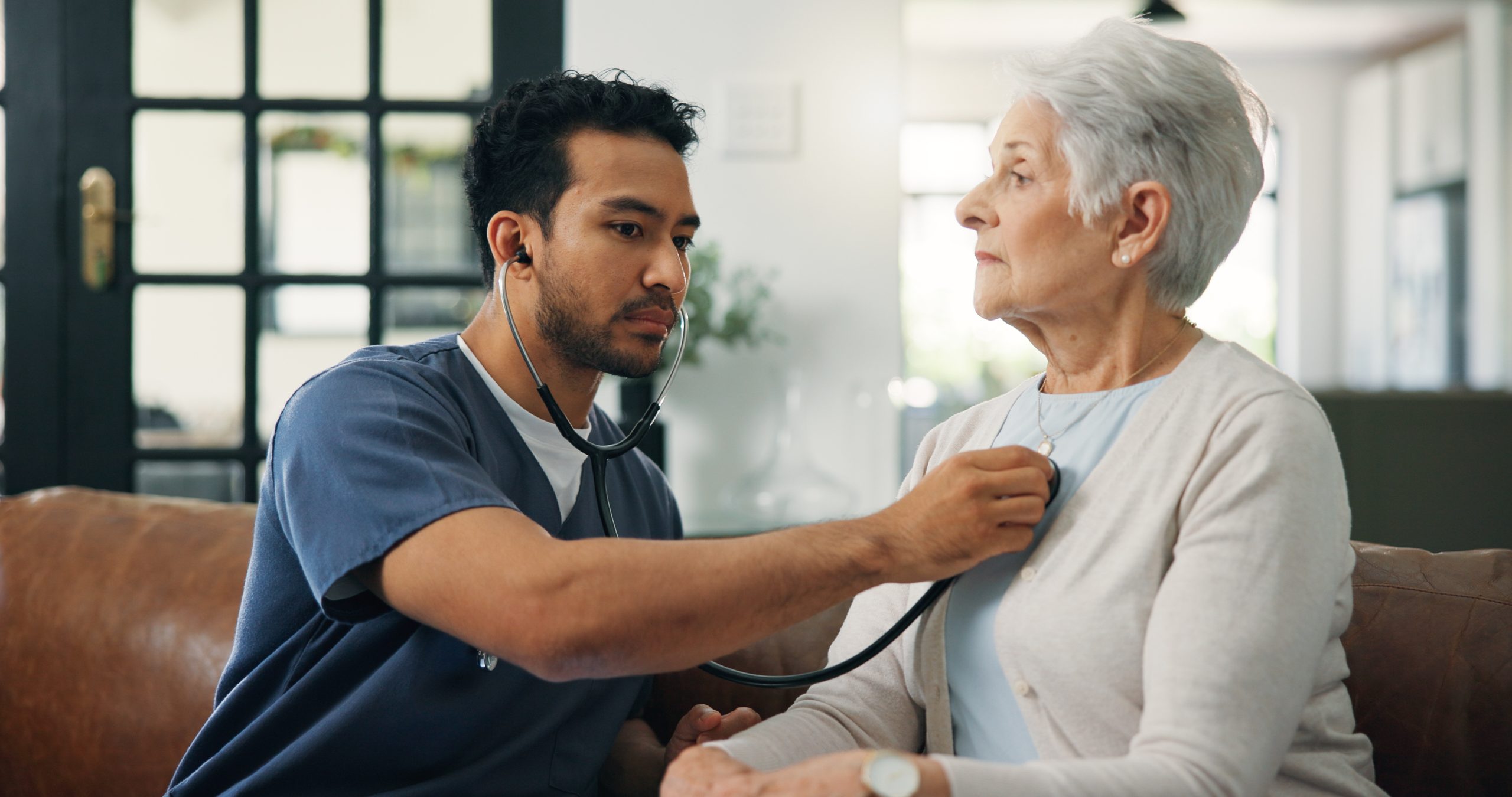
A hospital stay can be physically and emotionally exhausting—especially for older adults and individuals managing chronic health conditions. While being discharged from the hospital is often a positive step forward, the days and weeks that follow are critical. Without the right support at home, patients may face complications that lead to an unexpected return to the hospital.
At Seaside Home Health Care, we understand that recovery does not end at discharge. Home health care can provide the skilled support, education, and coordination patients need to recover safely at home and reduce the risk of hospital readmission.
What Is a Hospital Readmission?
A hospital readmission occurs when a patient returns to the hospital soon after being discharged, often within 30 days. Readmissions can happen for many reasons, including worsening symptoms, medication problems, infections, falls, dehydration, or difficulty managing a condition at home.
Some readmissions are unavoidable, but many can be prevented when patients have the right care plan, communication, and support after leaving the hospital.
Why Hospital Readmissions Are Not Good
Returning to the hospital can be difficult for patients and families. It may interrupt recovery, create additional stress, and lead to more time away from the comfort of home. For seniors in particular, another hospital stay can sometimes contribute to weakness, confusion, loss of mobility, disrupted sleep, and a decline in confidence.
Hospital readmissions can also place added pressure on family caregivers who may already be trying to manage appointments, medications, meals, transportation, and daily care needs. When a patient returns to the hospital, families may feel overwhelmed and uncertain about what went wrong.
Preventing unnecessary readmissions helps patients focus on healing, regain strength, and maintain as much independence as possible in the place they know best: home.
How Home Health Care Can Help
Home health care brings skilled clinical services directly to the patient’s home. This allows healthcare professionals to monitor recovery, identify concerns early, and help patients follow the care plan provided by their physician.
Skilled Nursing Support
A skilled nurse can assess a patient’s overall condition, monitor vital signs, review symptoms, provide wound care, manage medications, and watch for warning signs that may require medical attention.
For example, a nurse may notice swelling, shortness of breath, changes in blood pressure, signs of infection, or medication side effects before they become more serious. Early intervention can often prevent a small concern from becoming an emergency.
Medication Management and Education
Medication errors are a common reason patients may return to the hospital. After a hospital stay, medication routines may change. Patients may be prescribed new medications, asked to stop previous medications, or given instructions that feel confusing.
Home health nurses can help patients and families understand what each medication is for, how and when it should be taken, and what side effects should be reported. This added education can help reduce missed doses, duplicate medications, and other medication-related concerns.
Therapy to Build Strength and Prevent Falls
After hospitalization, many patients feel weak, unsteady, or less confident moving around their home. Physical therapy and occupational therapy can help patients rebuild strength, improve balance, safely navigate their home, and complete daily activities.
Therapy can also help reduce fall risks, which is especially important for patients recovering from surgery, illness, or a period of limited mobility.
Monitoring Chronic Conditions
Patients living with conditions such as heart failure, diabetes, COPD, high blood pressure, or kidney disease may need close monitoring after a hospital stay. Home health professionals can help patients understand how to manage symptoms, follow dietary recommendations, monitor important health changes, and know when to contact their doctor.
Learning to recognize warning signs—such as sudden weight gain, increased swelling, breathing changes, dizziness, or changes in blood sugar—can help patients seek help sooner and avoid a preventable hospital visit.
Communication and Care Coordination
Recovery often involves several healthcare providers, including physicians, specialists, pharmacists, therapists, and family caregivers. Home health care can help keep everyone informed and working toward the same goals.
At Seaside Home Health Care, our team communicates with physicians and other members of the care team when changes are identified. This coordination helps ensure that concerns are addressed promptly and that patients receive the appropriate follow-up care.
Recovery Is Safer With Support
Going home from the hospital should be a time to focus on healing—not a time to feel alone or unsure about what comes next. Home health care provides professional support, education, and encouragement during one of the most important parts of recovery.
With skilled nursing, therapy services, medication support, and personalized care planning, patients can feel more confident managing their health at home. Families can also have greater peace of mind knowing that a trained healthcare professional is helping monitor progress and identify concerns early.
Seaside Home Health Care Is Here to Help
At Seaside Home Health Care, we are committed to helping patients recover safely, regain independence, and remain where they are most comfortable—at home.
If you or a loved one is preparing to leave the hospital, ask the physician or discharge planner whether home health care may be appropriate. The right support after discharge can make a meaningful difference in recovery and may help prevent an unnecessary return to the hospital.
Contact Seaside Home Health Care to learn more about how our skilled nursing and therapy services can support a safer transition home.