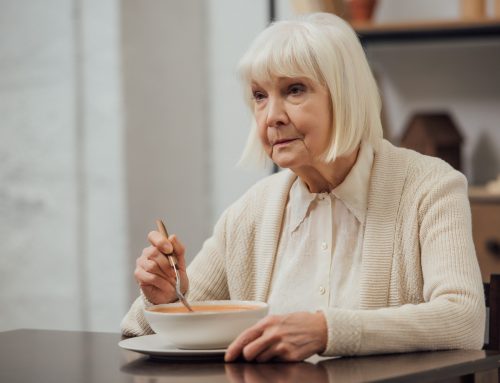

Everyone needs a little extra rest sometimes. But when an older adult suddenly begins sleeping much more than usual, taking frequent naps, staying in bed later, or seeming difficult to wake and engage, families may start to wonder:
“Why are they sleeping so much? Are they sleeping too much?”
A change in sleep habits isn’t always a reason for alarm. However, what we view as sleeping too much can sometimes be one of the first signs that something has changed with a senior’s health.
Here are seven reasons an older adult may suddenly be sleeping more — and why it may be worth paying attention.
1. Their Body May Be Fighting an Illness
Older adults don’t always show illness the way younger people do.
An infection or other illness may not immediately cause obvious symptoms. Instead, a senior may become unusually tired, sleep more, eat less, seem weaker, or simply seem “not quite themselves.”
A significant change from their normal routine deserves attention, particularly when it happens suddenly.
2. A Medication Could Be Making Them Sleepy
Many older adults take multiple medications, and some can cause drowsiness or fatigue.
A new medication, a dosage change, or even the combination of several medications can affect alertness and energy.
This is one reason medication management is so important for seniors living at home. Never stop or change a prescribed medication without speaking with the appropriate healthcare provider.
3. They May Be Dehydrated
Even in October, Southwest Florida temperatures can remain very warm.
Older adults may not recognize thirst as easily as they once did, and dehydration can contribute to fatigue, weakness, dizziness, confusion, and increased sleepiness.
If someone is sleeping more, it’s worth considering whether they’re also drinking enough throughout the day.
4. They May Be Moving Less
Sometimes increased sleeping becomes part of a cycle.
A senior feels tired, so they spend more time sitting or sleeping. Because they’re moving less, they gradually lose strength and endurance. Everyday activities become more tiring, so they rest even more.
Maintaining safe movement and activity can be an important part of preserving strength, balance, and independence.
5. They May Be Feeling Lonely or Disconnected
Not all increased sleeping has a physical cause.
Changes in routine, loss of a spouse or friends, limited transportation, or spending long periods alone can affect a senior’s daily habits.
Without activities, conversation, outings, or something to look forward to, daytime sleeping can gradually increase.
If your loved one is sleeping too much of the day, consider what their days look like when they’re awake. Are they engaged? Are they interacting with others? Are they still enjoying the things that once interested them?
6. Their Sleep at Night May Not Be Restful
Spending eight or nine hours in bed doesn’t necessarily mean someone is getting eight or nine hours of quality sleep.
Pain, frequent trips to the bathroom, breathing problems, medications, anxiety, and other health concerns can interrupt nighttime sleep.
The result may be an older adult who appears to sleep all night but still needs several naps during the day.
7. Their Overall Health May Be Changing
Sometimes there isn’t one obvious explanation.
Sleeping more may occur alongside other subtle changes such as:
- Eating less
- Losing weight
- Becoming weaker
- Walking less
- Having difficulty with everyday tasks
- Forgetting medications
- Becoming more confused
- Losing interest in usual activities
One small change may not seem significant on its own. Several changes together can tell a much bigger story.
Pay Attention to What’s Different for Them
There isn’t a specific number of hours of sleep that automatically means something is wrong.
What matters is change.
If Dad has always enjoyed an afternoon nap, that’s very different from Dad suddenly sleeping until noon, napping throughout the afternoon, and going back to bed after dinner.
Families often notice these subtle differences before anyone else does.
Sometimes “Sleeping Too Much” Is Worth a Conversation
A noticeable or unexplained change in sleep patterns is something to discuss with your loved one’s healthcare provider, particularly if it is sudden or accompanied by confusion, weakness, poor appetite, falls, breathing changes, fever, or other new symptoms.
And when a senior is recovering from an illness, hospitalization, injury, or decline in function, home health care may be able to help.
At Seaside Home Health Care, our clinicians don’t just look at one symptom. We look at the whole person — medications, strength, mobility, safety, cognition, nutrition and hydration, and how well they are managing everyday life at home.
Sometimes the smallest changes are the ones that tell us it’s time to take a closer look.
Seaside Home Health Care
Helping Southwest Florida seniors recover safely, maintain independence, and remain comfortably at home.