
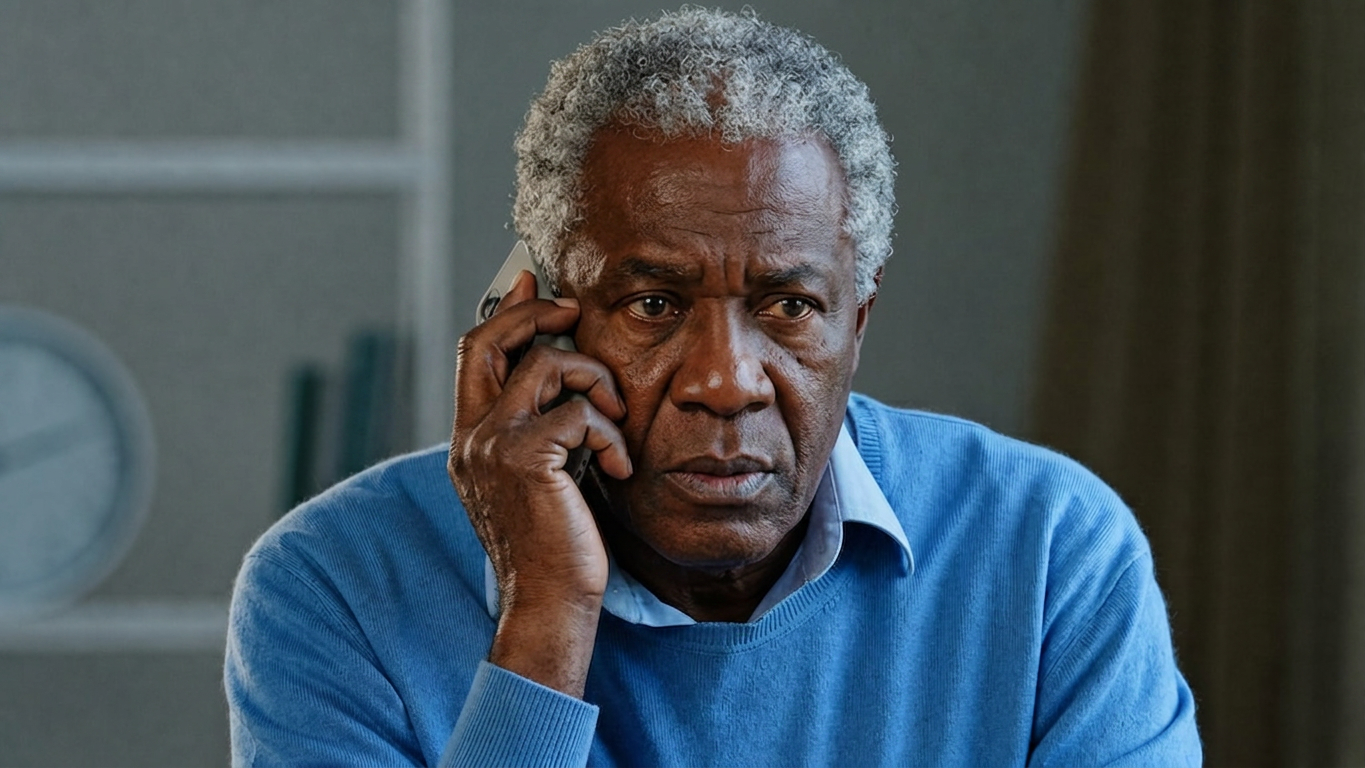
To quote one of my favorite movies from the 1980s, Who you gonna call? When a loved one isn’t feeling well or is having difficulty managing at home, it can be difficult to know what to do next. Should you schedule an appointment with the doctor? Is it serious enough for the emergency room? Or would home health care provide the support they need?
Understanding the difference can help you get the right care at the right time—and often prevent small problems from becoming major ones.
So Who You Gonna Call?
Your primary care provider should be your first call when you notice new symptoms, changes in health, or concerns that require medical evaluation. Your doctor diagnoses illnesses, prescribes medications, orders tests, and determines what treatment is needed.
Some common reasons to call your doctor include:
- A new cough or respiratory symptoms
- Fever that doesn’t improve
- Increasing pain
- Swelling in the legs or feet
- Changes in blood pressure or blood sugar readings
- New dizziness or frequent falls
- Medication side effects
- Confusion or changes in mental status
- Worsening chronic conditions such as heart failure, COPD, or diabetes
Your physician can determine whether the issue can be managed in the office, requires additional testing, or qualifies for Medicare-covered home health services.
When Home Health May Be the Right Choice
Home health care is designed for patients who need skilled medical care at home after an illness, injury, hospitalization, or because managing a chronic condition has become more difficult.
Unlike non-medical home care, Medicare-certified home health provides skilled services under the direction of your physician.
Home health may be appropriate if you or your loved one:
Are recovering after a hospital or rehabilitation stay?
Returning home is often the most vulnerable part of recovery. Skilled nursing and therapy can help ensure a safe transition while reducing the risk of hospital readmission.
Have difficulty leaving home?
Traveling to multiple medical appointments may be exhausting or unsafe. Home health brings skilled care directly to your home.
Need ongoing skilled nursing?
A registered nurse can provide services such as:
- Medication management
- Wound care
- Disease education
- Vital sign monitoring
- Pain management
- Catheter care
- IV therapy (when ordered)
- Monitoring for complications
Need therapy services?
Physical, occupational, and speech therapists help patients regain strength, improve mobility, restore independence, and improve communication or swallowing when appropriate.
Have experienced multiple falls?
Falls are one of the leading reasons older adults lose their independence. Home health therapists can evaluate your home, improve balance and strength, and recommend equipment to reduce fall risk.
Are struggling to manage chronic illnesses?
Conditions such as heart failure, COPD, diabetes, Parkinson’s disease, or recovery after surgery often require close monitoring to prevent complications.
A Common Misunderstanding
Many people believe they have to wait until someone is seriously ill before home health can help.
In reality, early intervention often leads to better outcomes.
Home health can identify concerns before they become emergencies, provide education that helps patients manage their conditions confidently, and communicate changes to the physician promptly.
The sooner skilled care begins, the greater the opportunity to prevent complications.
How Your Doctor and Home Health Work Together
Home health does not replace your physician—it extends your physician’s care into your home.
Once your doctor determines that home health is appropriate, they provide the necessary orders. Your home health team then communicates regularly with your physician, reporting progress, changes in condition, and any concerns that arise during care.
This collaborative approach helps ensure everyone is working toward the same goal: helping you recover safely and remain independent at home.
When You Should Call 911 Instead
Some situations require immediate emergency care—not a doctor’s appointment or home health visit.
Call 911 immediately if someone experiences:
- Chest pain
- Difficulty breathing
- Sudden weakness or numbness on one side
- Signs of a stroke
- Loss of consciousness
- Severe bleeding
- Sudden confusion that is severe or rapidly worsening
- A serious fall with suspected fracture or head injury
These emergencies require immediate medical attention.
Unsure What You Need? Start with Your Doctor
If you’re uncertain whether home health is appropriate, begin by calling your physician. They can evaluate your situation and determine whether a referral for home health services would benefit your recovery or ongoing care.
Many patients and families are surprised to learn that Medicare often covers medically necessary home health services when eligibility requirements are met.
Seaside Home Health Care Is Here to Help
At Seaside Home Health Care, we partner with physicians throughout Southwest Florida to provide compassionate, Medicare-certified skilled care in the comfort of home.
Whether you’re recovering after a hospitalization, managing a chronic illness, or simply need extra support to remain safely at home, our experienced nurses and therapists are here to help every step of the way.
If you have questions about whether home health may be right for you or a loved one, talk with your physician—or contact Seaside Home Health Care. We’re always happy to help you understand your options.