
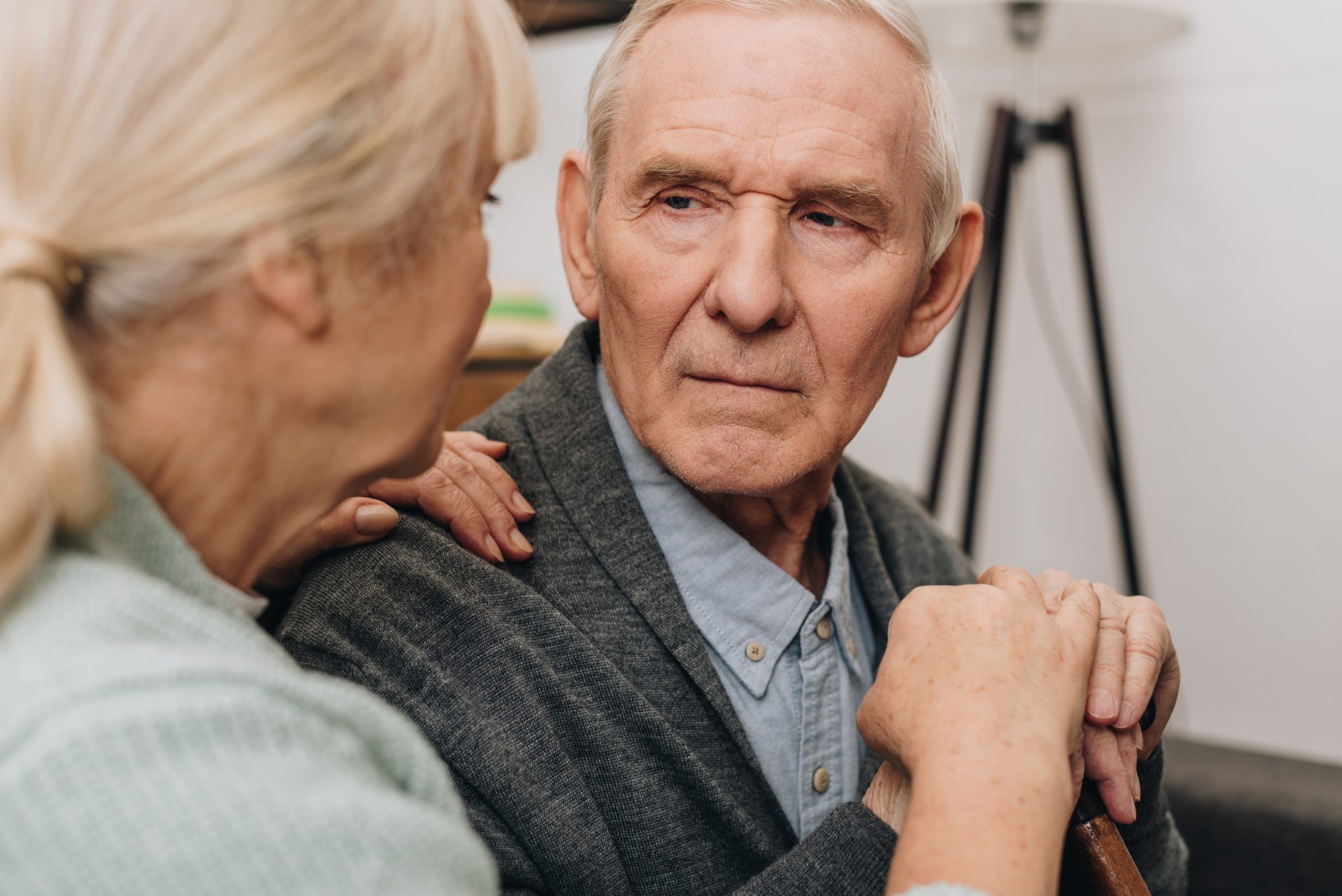
As our loved ones age, changes in their health are not always obvious. There may be warning signs- sometimes there is no major event or sudden illness. Instead, the first signs that something is changing may show up in small, everyday ways,
Maybe Mom seems a little more tired than usual. Dad has stopped eating as much. The house isn’t quite as tidy, or medications are being missed.
Individually, these changes may not seem alarming. But when you know what to look for, they can be important clues that a senior may need additional support.
Here are 6 warning signs a senior’s health may be changing.
1. Increased Fatigue or Sleeping More
Everyone has days when they feel tired, but a noticeable change in energy deserves attention.
A senior who suddenly spends more time sleeping, stops participating in normal activities, or becomes tired after simple tasks may be experiencing an underlying health change.
Fatigue can sometimes be related to illness, dehydration, medication changes, poor nutrition, pain, or other medical concerns.
The important thing to notice is a change from what is normal for that person.
2. Changes in Appetite or Weight
Has your loved one stopped finishing meals? Are they skipping meals altogether? Do their clothes suddenly seem looser?
Changes in appetite or unexplained weight loss can be an early sign that something isn’t quite right.
Seniors may eat less because of illness, medication side effects, difficulty swallowing, dental problems, depression, or simply because preparing meals has become more difficult.
Even a small change in eating habits can become significant over time.
3. New Confusion or Forgetfulness
Some forgetfulness can occur with aging, but sudden or noticeable changes in thinking should never be ignored.
Watch for things like:
- Increased confusion
- Forgetting medications
- Difficulty following normal routines
- Repeating questions more often
- Becoming confused about the day or time
- Acting noticeably different from usual
A sudden change in cognition can sometimes occur with an infection, dehydration, medication problems, or another medical condition. It is important to report new or worsening confusion to a healthcare provider.
4. Changes in Walking or Balance
Pay attention to how your loved one moves around the home.
Are they holding onto furniture? Taking smaller steps? Having more difficulty getting out of a chair? Avoiding stairs? Have they had a recent fall or near-fall?
Changes in strength, balance, or mobility can increase the risk of falling and may also indicate that a senior’s overall health is changing.
Recognizing these warning signs early may provide an opportunity to improve strength, safety, and independence before a serious fall occurs.
5. Difficulty Managing Medications or Daily Tasks
Sometimes the first signs of declining health aren’t medical symptoms at all. They show up in everyday routines.
You may notice unopened mail, missed medications, spoiled food in the refrigerator, laundry piling up, or difficulty keeping up with personal care.
These changes don’t necessarily mean a senior can no longer live independently. They may simply mean that certain tasks have become more difficult and a little additional support could make a big difference.
6. Becoming More Withdrawn or Less Interested
A senior who normally enjoys talking with family, going out, watching favorite programs, or participating in hobbies may suddenly lose interest.
Social withdrawal can sometimes be connected to fatigue, pain, hearing difficulties, depression, illness, or changes in cognition.
One missed activity may not mean much. But when someone consistently stops doing the things they normally enjoy, it is worth asking why.
Pay Attention to Changes and Warning Signs, Not Just Symptoms
One of the best ways to recognize a change in a senior’s health is to know what is normal for them.
A symptom that seems minor on its own may become more important when it represents a noticeable change from their usual routine, behavior, appetite, mobility, or energy level.
Families often notice these subtle differences first.
If something seems different, don’t be afraid to ask questions or contact your loved one’s healthcare provider. Early attention may help identify a problem before it becomes more serious.
Seaside Home Health Care Is Here to Help
At Seaside Home Health Care, we understand how important it is for seniors to remain safe, healthy, and independent at home.
Our skilled home health team can help monitor changes in health, manage medications, provide skilled nursing care, improve strength and mobility through therapy, and communicate concerns with physicians when appropriate.
Sometimes the biggest difference starts with noticing the smallest change.
If you are beginning to notice some warning signs in someone you love, Seaside Home Health Care is here to help you determine what support may be needed to keep them safe and thriving at home. Reach out to us today!