
Not long ago, the COVID pandemic proved difficult for seniors in many ways. The prolonged periods of social isolation, reduced physical activity, and disruption of normal routines during this time may have accelerated cognitive decline in vulnerable individuals. Many seniors lost valuable opportunities for social interaction and mental stimulation, which are important factors in maintaining brain health. As a result, activities that encourage engagement—such as conversation, games, puzzles, and social connections—have become even more important in helping older adults maintain cognitive function and overall well-being.
At Seaside Home Health Care, we believe that engagement doesn’t have to be complicated. Simple activities such as playing games, having conversations, completing puzzles, or participating in favorite hobbies can make a significant difference in a senior’s quality of life.
The Power of Engagement
Regular mental and social engagement offers numerous benefits for older adults, including:
Supporting Cognitive Health
The brain benefits from exercise just like the body does. Activities that encourage thinking, problem-solving, memory, and concentration help keep the mind active. While engagement cannot prevent every age-related cognitive change, research suggests that mentally stimulating activities may help support brain health and cognitive function over time.
Reducing Feelings of Isolation
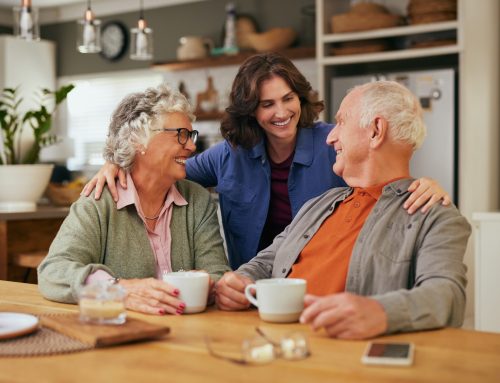
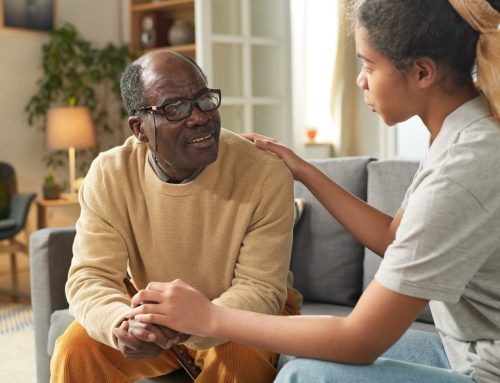
Many seniors experience loneliness due to retirement, health changes, loss of loved ones, or reduced mobility. Social interaction through conversation, games, and shared activities helps foster connection and reduce feelings of isolation.
Even a simple conversation can brighten someone’s day and provide meaningful emotional support.
Improving Mood and Emotional Well-Being
Engaging activities can help reduce boredom, increase feelings of purpose, and promote a more positive outlook. Participating in enjoyable activities often creates opportunities for laughter, accomplishment, and social connection.
Encouraging Independence
Activities that challenge memory, decision-making, and problem-solving help seniors continue practicing skills they use in everyday life. Staying mentally engaged can support confidence and independence in daily routines.
The Value of Meaningful Conversation
One of the simplest yet most powerful forms of engagement is conversation.
Talking with family, friends, caregivers, or healthcare professionals provides seniors with opportunities to:
- Share life experiences and memories
- Express feelings and concerns
- Stay connected to current events
- Maintain communication skills
- Build relationships and emotional connections
Conversations can be especially beneficial for individuals living with dementia or memory loss, helping them feel heard, valued, and connected.
The Benefits of Playing Games
Games are more than entertainment—they provide valuable opportunities for mental stimulation and social interaction.
Popular options include:
- Card games
- Board games
- Dominoes
- Bingo
- Word games
- Trivia challenges
- Dice games
These activities can help improve:
- Memory
- Concentration
- Strategic thinking
- Decision-making skills
- Social engagement
Games also encourage friendly competition and create enjoyable opportunities for family members and caregivers to connect with seniors.
Why Puzzles Are So Beneficial
Puzzles offer a fun and effective way to challenge the brain.
Popular options include:
- Crossword puzzles
- Word searches
- Sudoku
- Jigsaw puzzles
- Logic puzzles
- Memory games
Puzzles help strengthen:
- Attention to detail
- Problem-solving abilities
- Memory recall
- Visual-spatial skills
- Focus and concentration
Completing a puzzle also provides a sense of accomplishment that can boost confidence and self-esteem.
Engagement Looks Different for Everyone
Every senior has unique interests and abilities. The best engagement activities are often those that align with a person’s hobbies, preferences, and life experiences.
Some seniors may enjoy:
- Reading books
- Gardening
- Arts and crafts
- Music
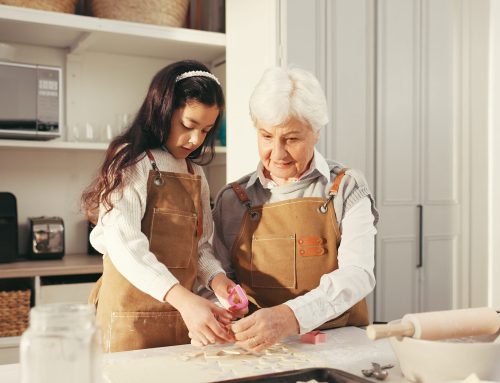
- Cooking
- Watching favorite movies
- Reminiscing with photo albums
- Learning new skills
The goal is not simply staying busy—it’s finding meaningful ways to remain connected, stimulated, and engaged.
How Seaside Home Health Care Supports Engagement
At Seaside Home Health Care, we understand that overall wellness includes both physical and emotional health. Our compassionate team works closely with patients and families to support independence, encourage meaningful interaction, and promote activities that enhance quality of life.
Whether through conversation, cognitive activities, therapy services, or personalized care plans, we strive to help seniors remain engaged, connected, and thriving in the comfort of home.
Healthy aging involves more than managing medical conditions. Staying mentally active, socially connected, and emotionally engaged plays an important role in overall well-being.
Something as simple as a card game, a crossword puzzle, or a meaningful conversation can help bring joy, purpose, and connection to each day.
At Seaside Home Health Care, we’re committed to supporting the whole person—mind, body, and spirit—through compassionate care that helps seniors live their best lives at home. There are even resource centers that help engage Seniors. Check it out!