
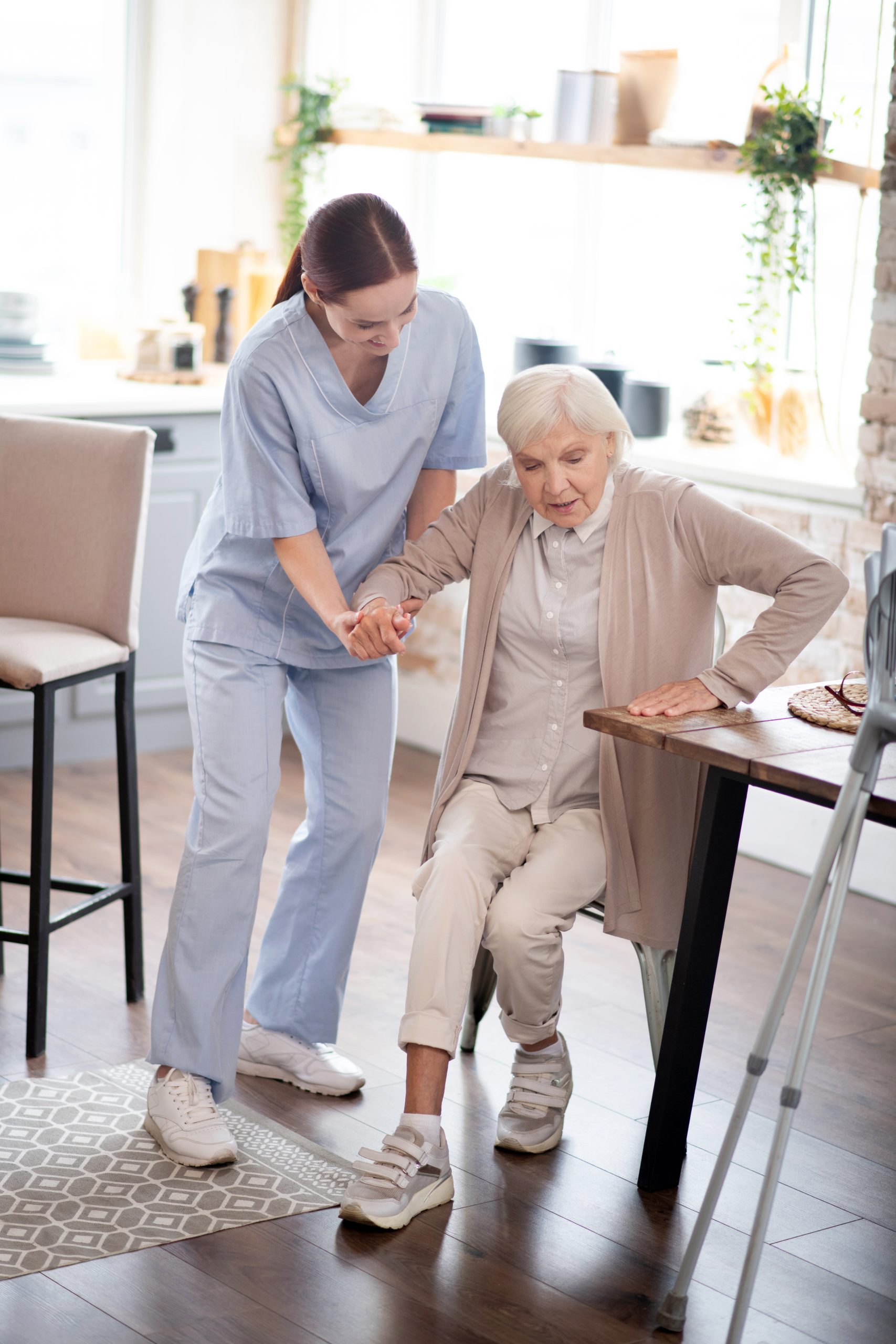
Strength in seniors can be affected by just a few days of inactivity.
Have you ever noticed how quickly an aging parent seems to lose strength after being sick?
Maybe Mom spent several days resting in bed with the flu, or Dad returned home from the hospital and suddenly needed help with things he could easily do just a week earlier.
What many families don’t realize is that this loss of strength has a name: deconditioning.
And for older adults, it can happen faster than you might think.
What Is Deconditioning?
Deconditioning occurs when the body loses strength, endurance, and physical function due to inactivity or reduced movement.
While anyone can experience deconditioning, older adults are particularly vulnerable because aging naturally brings changes in muscle mass, strength, and balance.
Even a relatively short period of bed rest or limited activity can contribute to noticeable physical decline, especially in seniors who are already managing chronic conditions or mobility challenges.
The concerning part? Sometimes the decline happens so gradually that families don’t recognize it until everyday activities become difficult.
5 Warning Signs of Deconditioning in Seniors
Deconditioning doesn’t always announce itself with a dramatic change. Often, the warning signs appear in small, everyday moments.
1. Difficulty Getting Out of a Chair
Something as simple as standing up from a favorite recliner may suddenly require extra effort, assistance, or several attempts.
2. Walking More Slowly or Becoming Unsteady
You may notice your loved one taking shorter steps, reaching for furniture, or appearing less confident when walking.
3. Increased Fatigue
Activities that were once routine, such as getting dressed, preparing breakfast, or walking to the mailbox, may leave them unusually tired.
4. Avoiding Activities They Previously Enjoyed
When movement becomes difficult, seniors may begin avoiding outings, hobbies, or social activities. Unfortunately, this can lead to even more inactivity.
5. Increased Fear of Falling
As strength and balance decline, confidence often follows. Some seniors become afraid to move around independently, creating a cycle of reduced activity and further weakness.
The Dangerous Cycle of Inactivity
One of the greatest concerns with deconditioning is how easily it can become a cycle.
A senior becomes ill and spends several days resting. Their muscles weaken, and walking becomes more difficult. Because moving feels harder, they begin sitting more often.
The less they move, the weaker they become.
Eventually, activities that once seemed simple can feel overwhelming.
This decline can increase the risk of falls, loss of independence, and additional hospitalizations.
But here’s the encouraging news: deconditioning is often preventable, and many older adults can regain strength and function with the right support.
How Home Health Physical and Occupational Therapy Can Help
At Seaside Home Health Care, we understand how important it is for seniors to remain safe, active, and independent in the comfort of their own homes.
When deconditioning begins to affect daily life, skilled thseasidehomehealthcare.com/erapy can make a meaningful difference.
Physical Therapy: Rebuilding Strength and Confidence
Our physical therapists work with patients to improve:
- Muscle strength and endurance
- Balance and coordination
- Walking ability and gait safety
- Transfers, including getting in and out of chairs or beds
- Fall prevention and mobility confidence
Treatment plans are individualized to each patient’s abilities, medical conditions, and personal goals.
For some patients, success means walking safely to the mailbox again. For others, it means being able to move around the house without constant assistance.
Occupational Therapy: Making Everyday Life Easier
Occupational therapy focuses on helping seniors safely perform the activities that matter most in their daily lives.
Our occupational therapists can assist with:
- Dressing, bathing, and personal care
- Improving upper-body strength and coordination
- Energy conservation techniques
- Safe movement during everyday activities
- Adaptive equipment and home safety recommendations
Together, physical and occupational therapy can help patients rebuild both their physical abilities and their confidence.
Rest Is Important, but So Is Movement
When someone is recovering from an illness, surgery, or hospitalization, rest is essential.
However, there is a difference between allowing the body to heal and remaining inactive longer than necessary.
The goal isn’t to push someone beyond their limits. It’s to find the right balance between recovery and safe, appropriate movement.
Depending on their medical condition and healthcare provider’s recommendations, that may mean taking short walks, practicing simple exercises, changing positions regularly, or gradually increasing daily activity.
Even small amounts of movement can be meaningful.
For seniors with significant weakness, recent surgery, or complex medical conditions, activity should be guided by their healthcare team.
Don’t Assume Weakness Is Just Part of Aging
One of the most important things families should understand is that a sudden decline in strength or mobility should never automatically be dismissed as normal aging.
If your loved one was walking independently two weeks ago but now struggles to stand, something has changed.
Illness, medication effects, dehydration, nutritional concerns, and other medical conditions can contribute to weakness and should be evaluated.
Sudden or significant weakness deserves prompt medical attention, particularly when accompanied by confusion, dizziness, or other new symptoms.
Recognizing changes early can help families address concerns before they lead to greater complications.
Helping Seniors Stay Strong at Home
At Seaside Home Health Care, we believe that maintaining independence is about more than physical strength.
It’s about being able to get out of bed safely, enjoy a meal at the kitchen table, walk through the house with confidence, and continue participating in the moments that make life meaningful.
Sometimes, the smallest improvements can make the biggest difference.
If your loved one has experienced a recent illness, hospitalization, surgery, or noticeable decline in strength, skilled home health services may help them regain function and independence.
For eligible patients who meet Medicare’s requirements, including the need for skilled services and homebound status, home health physical and occupational therapy may be covered by Medicare with appropriate provider orders.
Let Seaside Help Your Loved One Get Stronger
Don’t wait until weakness leads to a fall or a loss of independence.
Our compassionate team at Seaside Home Health Care provides skilled nursing, physical therapy, occupational therapy, and other home health services throughout Lee, Collier, and Charlotte counties.
We’re here to help your loved one recover safely, rebuild confidence, and remain as independent as possible.
Call Seaside Home Health Care at 239-260-9660 to learn how we can help.
Because sometimes, getting stronger starts with taking that first small step.