When a senior needs extra support at home whether recovering from surgery, managing a chronic condition, or simply maintaining independence, you may hear recommendations for both physical therapy (PT) and occupational therapy (OT). While they often work together, they serve different (and equally important) roles in improving quality of life. At Seaside Home Health Care, we provide both, but let’s break down the differences:
What Is Physical Therapy (PT)?
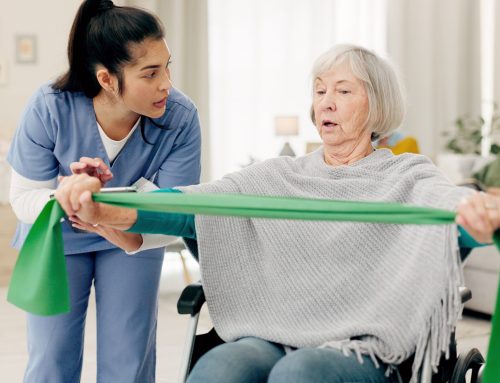
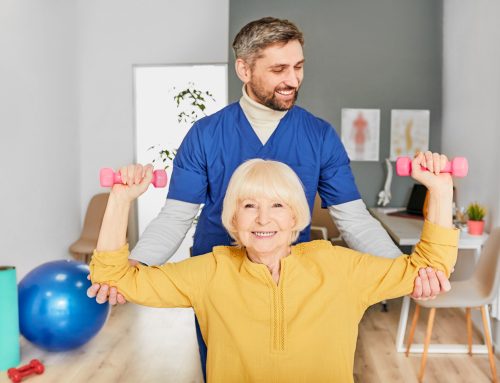
Physical therapy focuses on movement, strength, and pain reduction.
Our physical therapist helps patients improve how their body functions—especially after injury, surgery, or illness.
Common Goals of PT through Seaside Home Health Care:
- Improve strength and flexibility
- Restore mobility (walking, standing, transferring)
- Reduce pain
- Prevent falls
- Recover after surgery (like hip or knee replacement)
Example:
A senior recovering from a fall may work with our physical therapists to rebuild leg strength and improve balance so they can safely walk again.
What Is Occupational Therapy (PT)?
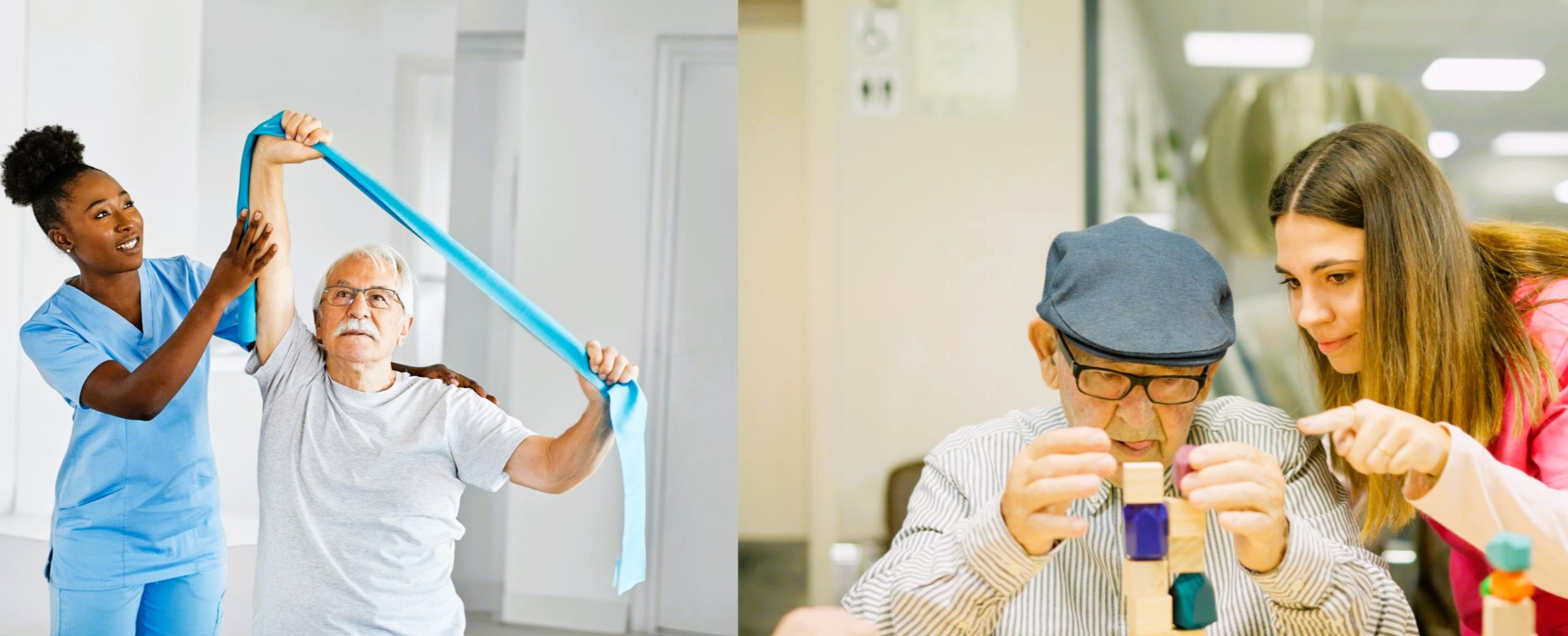
Occupational therapy focuses on daily living skills and independence.
Our occupational therapist helps patients perform everyday activities (also called “occupations”) safely and confidently.
Common Goals of OT through Seaside Home Health Care:
- Improve ability to dress, bathe, and groom
- Support safe eating and meal preparation
- Adapt the home environment for safety
- Recommend assistive devices (grab bars, utensils, etc.)
- Improve fine motor skills and coordination
Example:
A senior with arthritis may work with our occupational therapists to learn easier ways to button clothing or use adaptive tools in the kitchen.
Key Differences at a Glance
| Physical Therapy (PT) | Occupational Therapy (OT) |
|---|---|
| Focuses on movement and mobility | Focuses on daily activities and independence |
| Builds strength and balance | Improves ability to perform tasks |
| Helps with ambulation and pain | Helps with dressing, bathing, cooking |
| Often used after injury or surgery | Often used for long-term independence |
How PT and OT Work Together
In many cases, PT and OT are most effective when used together.
- PT helps a patient regain the strength to stand and walk
- OT helps them safely get dressed, prepare meals, and navigate their home
Together, our therapists provide a comprehensive approach to recovery and independence.
Why This Matters for Seniors at Home
For older adults, the goal is often not just recovery—but maintaining independence and quality of life.
- Physical therapy helps prevent falls and keeps the body strong
- Occupational therapy ensures daily life remains safe and manageable
When combined with in-home health care, these therapies allow seniors to remain comfortably and confidently in their own homes for a long time!
While PT and OT may seem similar, they address different aspects of health and independence. Understanding these differences can help you make informed decisions about the care your loved one’s need.
If you’re unsure which service is right, please reach out to us today to find out how we can help!